Pest Control

Why Being Honest with Your Exterminator Oviedo FL Experts Matters in Pest Control

Workers spraying pesticide onto lawn outdoors. Pest control Workers spraying pesticide onto lawn outdoors. Pest control pest control technician stock pictures, royalty-free photos & images

Effective pest control is a collaborative process between homeowners and exterminators. Transparency and honesty play a crucial role in ensuring that the problem is addressed efficiently. When you work with a professional, providing accurate information helps them devise the most effective strategies to tackle your pest issues. Below, we explore why being upfront with your exterminator matters and how it can lead to long-term solutions.

Why Transparency Matters

  1. Accurate Assessment:
    Pest control specialists rely on the information you provide to assess the extent of an infestation. If you omit details about sightings, damage, or previous DIY treatments, they may fail to identify key problem areas or use inappropriate methods.
  2. Customized Solutions:
    Honest communication allows your exterminator to tailor their approach based on your specific circumstances—whether it’s children in the home, pets that may be affected by treatments, or sensitivities to certain chemicals.
  3. Preventing Escalation:
    A delay in reporting pest sightings or activities can allow infestations to grow worse over time. Sharing accurate timelines helps professionals understand how long pests have been present and whether they’ve had time to multiply.

Key Information You Should Share

  • Pest Sightings: Mention when and where you’ve noticed pests like rodents, cockroaches, ants, or termites. If you’ve seen droppings or nests, provide those details too.
  • Previous Attempts at Control: If you’ve tried DIY sprays, traps, bait stations, or other methods prior to hiring a professional, disclose this information so they can build a suitable plan.
  • Allergies: Inform them of any family members who might be allergic to chemicals commonly used during pest treatments.
  • Pets: Share details about any dogs or cats at home so humane and safe solutions are prioritized.
  • Describe known vulnerabilities like cracks in walls/foundations or gaps around windows/doors that could serve as entry points for pests.

Benefits of Open Communication

Benefit Description
Faster Solutions Professionals can act swiftly with an accurate understanding of the issue.
Reduced Costs Effective treatment reduces the likelihood of follow-up visits or added expenses due to worsening infestations.
Improved Safety Transparency ensures safe practices for household members during treatment procedures.
Long-term Effectiveness Identifying root causes rather than just addressing symptoms leads to sustainable results.

The Risks of Withholding Information

  • Ignoring signs of termite activity could result in significant structural damage.
  • Not mentioning prior pesticide use might cause chemical interactions that are unsafe for people and pets.

How Exterminators Value Transparency

Professional exterminators appreciate clients who are forthcoming because it allows them to deliver better outcomes while maintaining trust throughout the process.

To summarize: – Be specific about what you’ve observed. – Don’t shy away from sharing past mistakes with DIY efforts. – Ask questions if you’re uncertain about anything related to the process.

By fostering open communication with your pest control provider from day one, you set yourself up for successful intervention against current infestations while also preventing future outbreaks effectively.

Top Reasons Why Mice Are Hard to Exterminate and How an Oviedo FL Pest Control Company Can Help

Mice infestations can be a persistent problem in both residential and commercial spaces. Despite their small size, mice are incredibly resilient creatures that adapt well to human environments. Understanding why exterminating mice is challenging—and how to address these challenges effectively—can make all the difference in achieving a pest-free home or workplace.

1. Rapid Reproduction Rate

Mice reproduce at an alarming rate, making it difficult to control their population once an infestation begins. A single female mouse can produce up to 10 litters per year, with each litter containing 5–12 pups. In ideal conditions, this can lead to hundreds of new mice within a year.

Solution:
– Act quickly at the first sign of infestation.

– Use integrated pest management (IPM) techniques that combine traps, baits, and preventive measures.

– Seal entry points immediately to prevent new infestations.

2. Their Ability to Squeeze Through Tiny Openings

Mice have flexible bodies that allow them to squeeze through spaces as small as a quarter-inch wide. This makes it easy for them to enter homes through cracks, vents, or poorly sealed doors and windows.

Solution:
– Conduct regular inspections of your property for gaps or openings.

– Install weather stripping around doors and windows.

– Use steel wool or caulk to seal potential entry points.

3. Intelligence and Behavioral Adaptations

Mice are cautious creatures that learn from their surroundings. Once they encounter a trap or bait they perceive as dangerous, they may avoid it altogether. Additionally, they often travel along walls or hidden areas where traps may not reach.

Solution:
– Rotate bait types and placement regularly.

– Place traps strategically in areas where mice are most active (e.g., near droppings or gnaw marks).

– Consider using multiple methods, such as snap traps alongside bait stations.

4. Nocturnal Nature

Mice are primarily active at night when human activity is minimal. This nocturnal behavior makes it difficult for homeowners or business owners to detect the full extent of the infestation during daylight hours.

Solution:
– Look for indirect signs of activity such as droppings, chewed materials, nests, or scratching noises in walls.

– Set up motion-sensitive cameras if you’re dealing with a persistent issue.

– Consult with professional exterminators who can identify hidden nesting sites using specialized tools.

5. Resistance to Traditional Rodenticides

Over time, some mouse populations have developed resistance to commonly used rodenticides (poison baits). This resistance reduces the effectiveness of certain chemical treatments and allows infestations to persist even after applying traditional methods.

Solution:
– Use rodenticides only under professional guidance.

– Opt for mechanical solutions like traps if chemical methods prove ineffective.

– Work with pest control experts who stay updated on newer rodenticide formulations designed for resistant populations.

Challenge Effective Solution
Rapid reproduction Act quickly; use IPM techniques; seal entry points
Squeezing through tiny openings Inspect property regularly; seal gaps with steel wool or caulk
Intelligence/behavioral adaptations Rotate baits; place traps strategically
Nocturnal nature Look for indirect signs; consider motion-sensitive cameras
Resistance to rodenticides Use mechanical solutions; consult professionals on effective formulations

Effective Pest Removal Oviedo FL: Final Thoughts on Mouse Infestations

Exterminating mice requires diligence, strategy, and adaptability due to their unique behaviors and survival mechanisms. By understanding these challenges and using targeted solutions—such as sealing entryways, adopting diverse extermination methods, and seeking professional help—you can significantly improve your chances of eliminating these pests effectively while preventing future invasions entirely.

Top 5 Places Cockroaches Hide in Your Kitchen and How an Oviedo Pest Control Can Help Eliminate Them

Cockroaches are notorious for being resilient pests that can infest homes, particularly kitchens, due to the availability of food and water. They are nocturnal creatures that prefer dark, hidden spaces. Understanding the places they hide is crucial to eliminating them effectively. Below are the top five hiding spots for cockroaches in your kitchen and actionable steps you can take to address them.

1. Underneath and Behind Appliances

Cockroaches often hide under or behind appliances such as refrigerators, stoves, dishwashers, and microwaves. These areas provide warmth, darkness, and easy access to food crumbs and moisture.

How to Address This:

  • Regularly move appliances away from the walls to clean underneath and behind them.
  • Use a vacuum cleaner or a brush to remove any debris or crumbs.
  • Seal gaps around appliances with caulk or weather stripping to prevent entry points.

2. Inside Cabinets and Drawers

Kitchen cabinets and drawers provide ideal hiding spots for cockroaches because they are dark and often contain food particles.

How to Address This:

  • Keep all cabinets clean by wiping them with soapy water regularly.
  • Store dry foods in airtight containers instead of original packaging.
  • Place non-toxic cockroach baits inside cabinets as a preventive measure.

3. Under the Sink

The area beneath the sink is attractive to cockroaches due to its proximity to moisture sources like leaking pipes or condensation.

How to Address This:

  • Fix any leaks promptly, as standing water will attract roaches.
  • Keep this area dry by cleaning up spills immediately.
  • Use pest-repellent materials like diatomaceous earth near plumbing openings.

4. In Cracks and Crevices Around Countertops

Small cracks along countertops or between tiles provide excellent hiding places for cockroaches. These spaces allow them access without being exposed.

How to Address This:

  • Inspect your kitchen for cracks near counters or walls.
  • Seal all visible cracks with silicone caulk.
  • Consider using adhesive traps near these areas for monitoring purposes.

5. Behind Garbage Bins

The garbage area is another hotspot because it offers an easy source of food waste that attracts cockroaches.

How to Address This:

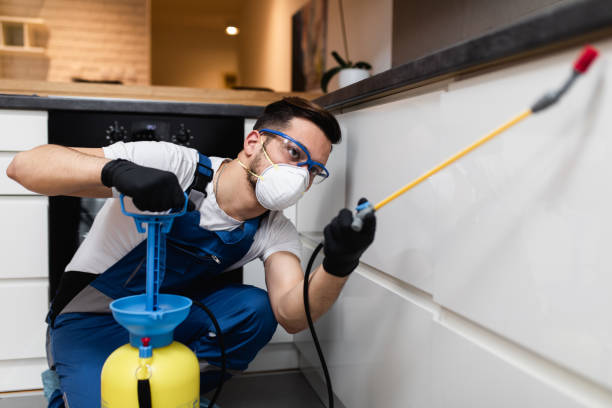
House pest control Professional exterminator in protective workwear spraying pesticide in apartment kitchen. pest control technician stock pictures, royalty-free photos & images

  • Empty kitchen garbage bins daily, especially if they contain food scraps.
  • Wash bins regularly with hot water and disinfectant.
  • Use bins with tight-fitting lids that prevent easy access for pests.

Table: Quick Checklist for Preventing Cockroach Hiding Spots

Area Common Cause Preventive Measures
Appliances Warmth, crumbs Clean regularly; seal gaps
Cabinets/Drawers Food debris Use airtight containers; keep clean
Under Sink Leaks/moisture Fix leaks; keep dry
Cracks/Crevices Small hiding spots Seal cracks; use adhesive traps
Garbage Area Easy food access Empty trash daily; sanitize bins

By targeting these common hiding spots methodically, you can significantly reduce the likelihood of a cockroach infestation in your kitchen while maintaining a cleaner environment overall. These proactive steps not only help eliminate existing pests but also prevent future infestations effectively.

Dogs and Insects: What You Need to Know and How to Protect Your Pets from Pests

When it comes to pest control, pet owners often face unique challenges. Dogs, in particular, are curious by nature and can come into close contact with a variety of insects, some of which may pose health risks. As a responsible pet owner, it’s essential to understand the types of pests that may harm your dog and take proactive measures to protect them.

Common Insects That Can Harm Dogs

  • Fleas: These tiny parasites cause itching, skin irritation, and even allergic reactions in dogs. Severe infestations can lead to anemia.
  • Ticks: Known carriers of Lyme disease and other illnesses, ticks attach themselves to a dog’s skin and feed on its blood.
  • Mosquitoes: Mosquito bites can transmit heartworm disease, a potentially fatal condition for dogs.
  • Bees and Wasps: While not parasitic, stings from these insects can cause painful swelling or even allergic reactions.
  • Ants: Certain species like fire ants can bite or sting your dog, causing discomfort or an allergic response.

Preventive Measures for Protecting Your Dog

  1. Brush your dog regularly to check for fleas, ticks, or any unusual bumps on their skin.
  2. Pay special attention after walks in wooded areas or tall grass where ticks are common.
  3. Invest in veterinarian-approved flea collars, topical treatments, or oral medications that repel parasites like fleas and ticks.
  4. Vacuum furniture and carpets frequently to remove flea eggs or larvae.
  5. Wash pet bedding regularly using hot water cycles.
  6. Keep your yard trimmed to minimize breeding grounds for mosquitoes or ticks.
  7. Remove standing water sources like puddles or birdbaths where mosquitoes thrive.
  8. Ensure food bowls are emptied after meals so they don’t attract ants or flies indoors.

What To Do If Your Dog Gets Bitten

Insect Bite Type Symptoms First Aid
Flea Bites Red bumps; itching Bathe with flea shampoo; apply antihistamines if needed (consult vet first).
Tick Bite Swelling; redness Use tweezers to remove tick carefully; clean wound with antiseptic solution immediately.
Mosquito Bite Red welts Apply cool compress; use pet-safe anti-itch creams as directed by your vet if irritation persists.
Bee/Wasp Sting Swelling; pain Remove stinger (if visible); apply cold compress; watch for signs of allergic reaction like difficulty breathing.

Why Professional Pest Control Matters

While DIY methods can be effective for minor infestations, persistent pest problems require professional intervention — especially when pets are involved. Professional exterminators not only have experience handling infestations but also know how to apply treatments safely around animals.

When hiring pest control services:

– Inform the exterminator about having pets at home so they can adjust treatment plans accordingly.

– Request non-toxic pest solutions designed specifically for pet safety whenever possible.

Taking these precautionary steps will keep both you and your beloved dog safe from harmful pests year-round while maintaining a healthy home environment free from infestations.

The Personal Touch: Key Reasons for Choosing a Family-Run Pest Control Company

When it comes to pest control, selecting the right company can make all the difference in ensuring effective and long-lasting results. While large corporate extermination services might dominate the market, choosing a family-run pest control company offers unique advantages that go beyond just solving pest problems. Below are key reasons why opting for a family-operated business could be an excellent decision for your home or business.

1. Personalized Service

Family-run pest control companies often prioritize personal relationships with their clients. Unlike larger firms that may treat customers like numbers in a system, smaller companies focus on understanding individual needs.

  • Customized treatment plans tailored to specific infestations
  • Direct communication with technicians who know your property
  • Flexible scheduling designed around your convenience

This level of attention ensures that each job is approached with care and precision, leading to more effective outcomes.

2. Commitment to Quality Workmanship

For family-owned businesses, their reputation is everything. These companies are often passed down through generations, meaning they take pride in delivering high-quality work that reflects their values.

  • Thorough inspections and treatments with no shortcuts
  • A focus on solving the root cause of infestations rather than temporary fixes
  • Strong emphasis on safety for humans, pets, and the environment

Their dedication to excellence often translates into higher customer satisfaction rates compared to larger, less-personalized competitors.

3. Local Expertise and Community Connection

Family-operated pest control companies are usually rooted in the communities they serve. This local connection gives them an edge when it comes to understanding regional pests and environmental factors that contribute to infestations.

Benefit Description
Knowledge of local pests Familiarity with species common to the area
Regional environmental awareness Awareness of seasonal pest trends
Faster response times Ability to quickly address urgent issues

These insights allow them to offer targeted solutions while supporting the local economy.

4. Transparent Pricing and Honest Communication

Larger corporations may rely on upselling unnecessary services or bundling packages you don’t need. In contrast, family-operated businesses thrive on trust and transparency.

  • Fair pricing structures without hidden fees
  • Clear explanations of services provided before beginning work
  • Honest assessments without exaggerated scare tactics

This straightforward approach not only saves you money but also builds trust over time.

5. Long-Term Relationships With Clients

Family-run businesses often aim to build lasting relationships with their clients by offering consistent service over time. Many treat their customers like extended family, which can be reassuring when dealing with recurring pest problems.

  • Routine follow-ups to monitor effectiveness of treatments
  • Recommendations for preventative measures tailored to your property
  • Friendly customer service that prioritizes satisfaction

Establishing trust through long-term reliability ensures peace of mind whenever future challenges arise.

Choosing a family-run pest control company offers distinct advantages such as personalized care, regional expertise, commitment to quality work, and genuine relationships built on trust. By supporting these local businesses, you not only protect your home from pests but also contribute positively to your community’s sustainability.

The Personal Touch: Key Reasons for Choosing a Family-Run Pest Control Company

When it comes to pest control, selecting the right provider is crucial for effective and reliable results. While large corporations often dominate the market, family-run pest control companies stand out for their unique approach and personalized service. Below, we explore key reasons why choosing a family-owned pest control business can be beneficial for your specific needs.

1. Personalized Service

Family-run businesses prioritize building relationships with their customers. Unlike larger firms that may treat clients as just another case number, family-owned companies often take the time to understand your specific concerns and provide tailored solutions.

  • Customized Solutions: They assess your home or property carefully and develop strategies that suit your particular circumstances.
  • Direct Communication: You’re more likely to deal with the same individuals throughout the process, ensuring consistency in service.

2. Strong Commitment to Quality

Family-operated businesses often stake their reputation on customer satisfaction because they rely heavily on word-of-mouth recommendations and repeat customers. Their livelihood depends on delivering high-quality service every time they are called upon.

  • Attention to Detail: Smaller teams mean each job gets more dedicated attention from experienced professionals.
  • No Cutting Corners: A family’s name is tied directly to the business, so maintaining high standards is a priority.

3. Local Knowledge

Being community-based, family-run pest control companies possess in-depth knowledge of the local environment and its unique pest challenges.

Feature Family-Owned Companies Large Corporations
Knowledge of Local Pests Extensive due to being part of the community Generalized information
Approach Tailored based on local factors Standardized nationwide solutions

This expertise enables them to implement more effective control measures specific to your area.

4. Genuine Care for the Community

  • Engaging in eco-friendly practices such as low-toxicity treatments.
  • Supporting local causes or participating in community events.
  • Maintaining fair pricing structures designed with local economies in mind.

Choosing such a company ensures you work with professionals who genuinely care about both your satisfaction and long-term well-being.

5. Transparent Pricing

Large corporations frequently use complicated pricing models or upsell unnecessary services as part of their business strategy. In contrast, family-run companies typically offer straightforward and transparent pricing without hidden fees or aggressive upselling tactics.

  • Clear explanation of costs before any work begins.
  • Value-driven packages designed around solving your specific pest issues rather than selling excessive treatments you don’t need.

Final Thoughts

Opting for a family-operated pest control company means choosing more than just extermination services; it’s about partnering with people who care deeply about their work and strive for lasting results tailored specifically to their customers’ needs. Their personalized approach, dedication to quality, local expertise, strong community ties, and straightforward pricing make them an excellent choice for households seeking dependable pest management solutions tailored specifically toward building trust alongside effectiveness.

Understanding the Importance of Effective Extermination for Long-Term Pest Solutions

Pest infestations can be more than just a nuisance; they pose serious risks to your health, property, and overall quality of life. While quick fixes may seem appealing, effective extermination is crucial for achieving long-term pest solutions. This article breaks down why thorough pest control strategies are essential and how they contribute to lasting results.

The Risks of Ineffective Pest Control

  • Health Hazards: Pests such as rodents, cockroaches, and flies carry bacteria and viruses that can cause illnesses like salmonella, hantavirus, or asthma flare-ups.
  • Structural Damage: Termites and carpenter ants can silently damage wood structures over time, compromising the safety of your home.
  • Increased Costs: Recurring infestations often demand repeated treatments, which can become costly in the long run.
  • Contamination of Food Supplies: Improperly handled pest issues may lead to contamination in food preparation areas or storage spaces.

Effective extermination eliminates these risks by targeting the problem at its source rather than addressing only surface-level symptoms.

Characteristics of Effective Extermination

  1. Identifies entry points (e.g., gaps in windows or doors).
  2. Locates hidden nests or colonies.
  3. Determines factors attracting pests (e.g., food residue or moisture).
  4. Tailored solutions based on the specific type of pest and severity of infestation.
  5. Environmentally friendly options where possible (e.g., targeted sprays rather than blanket pesticide use).
  6. Sealing entry points to prevent re-entry.
  7. Educating homeowners about proper sanitation practices.
  8. Implementing ongoing monitoring programs for vulnerable areas.
  9. Licensed exterminators with access to industry-grade tools and pesticides ensure precise application methods.
  10. Professionals also stay updated on emerging pest control techniques.

Comparing DIY vs Professional Extermination

Aspect DIY Approach Professional Approach
Cost Initially low but may increase due to repeated efforts Higher initial cost but cost-effective over time
Effectiveness Limited by lack of expertise Comprehensive inspection & treatment
Risk Potential misuse of chemicals Safe handling by trained specialists

While DIY methods might work for minor issues, professional extermination is essential for severe or recurring infestations.

Long-Term Benefits

  • Peace of mind knowing your home is safe from pests.
  • Reduced risk of property damage due to early detection and prevention.
  • Improved indoor air quality by eliminating allergens produced by pests such as cockroach droppings.
  • A healthier living environment free from disease-carrying organisms.

By prioritizing long-term solutions over temporary fixes, you ensure a pest-free space while saving money and effort in the years ahead.


Top 5 Reasons to Hire an Oviedo FL Pest Control Company for Stubborn Pests

Worker spraying pesticide onto green bush outdoors, closeup. Pest control Worker spraying pesticide onto green bush outdoors, closeup. Pest control pest control technician stock pictures, royalty-free photos & images

Pest control plays a significant role in ensuring a clean, safe, and healthy living environment. Many pests are resilient and have a knack for returning to a property if preventative measures are not implemented effectively. Below is an overview of the top five pests that often reappear without proper pest control methods, along with insights into why they persist and how they can be mitigated.

1. Ants

Ants are among the most common household invaders due to their ability to adapt and form colonies quickly. Even if you eliminate an ant trail or colony, they often return because:
Strong scent trails: Ants leave behind pheromones that guide others from their colony to food sources. If not properly neutralized, these trails invite more ants back.
Hidden nests: Ant colonies may have satellite nests in hard-to-reach spaces like walls or underground.

Preventive Measures:
– Seal cracks and crevices around the home’s foundation and windows.
– Store food in airtight containers and clean up spills immediately.

– Use bait traps that target the entire colony rather than just individual ants.

2. Cockroaches

Cockroaches thrive in warm, humid environments where food is plentiful. They’re nocturnal creatures that are notoriously hard to eliminate due to:
Rapid reproduction rates: Cockroaches multiply quickly, with one female capable of producing up to 50 eggs in a single case.

Adaptability: They can survive on minimal resources and resist many store-bought pesticides.

Preventive Measures:
– Regularly clean kitchen counters, appliances, and floors to remove crumbs or grease.

– Fix leaky pipes or faucets that create moisture-prone areas.

– Use professional-grade insecticides for long-term results.

3. Termites

Termites cause billions of dollars in property damage annually by feeding on wooden structures undetected for prolonged periods. They often reappear because:
Hidden colonies: Subterranean termites build nests deep underground near moisture supplies. – Ineffective DIY treatments: Surface-level treatments rarely penetrate deep enough into wood where termites reside.

Preventive Measures:
| Action | Description | |—————————-|——————————————| | Remove excess moisture | Fix leaks and ensure proper drainage | | Reduce wood-to-soil contact| Keep wood piles away from your structure| | Professional inspection | Schedule annual termite inspections |

4. Rodents (Mice and Rats)

Rodents are notorious for sneaking into homes through small openings as they search for food and shelter. Their persistence is driven by:
Ability to squeeze through tiny gaps: Mice can enter openings as small as a dime.

Opportunistic behavior: Rodents proliferate rapidly if provided access to food sources such as pet food or improperly sealed trash bins.

Preventive Measures:
– Block entry points using steel wool or caulk around vents, doorways, and pipes.

– Store garbage securely in metal or heavy-duty plastic containers with lids.

– Use snap traps strategically in high-risk areas like basements or attics.

5. Mosquitoes

Mosquitoes are not only irritating but also pose serious health risks by transmitting diseases like dengue fever and malaria. Their recurring presence is due to:

Breeding sites: Mosquito larvae develop in stagnant water found in items such as birdbaths, clogged gutters, or flowerpots.

Climate adaptability: Warm weather accelerates their breeding cycle.

Preventive Measures:
1. Regularly empty standing water from outdoor objects like buckets or tires.

2. Install screens on windows/doors to prevent entry into indoor spaces.

3. Utilize insect repellents containing DEET when spending time outdoors during peak mosquito activity hours (dawn/dusk).

By understanding these persistent pests’ behaviors and vulnerabilities, homeowners can implement targeted strategies alongside professional pest control services for long-lasting protection against infestations.

Effective Pest Removal Oviedo FL: Understanding Common Household Pests and Their Risks

Household pests are not only a nuisance but can also pose serious health risks and property damage if left unaddressed. Proper identification and management are vital to protect your home and loved ones. Below is an overview of the most common household pests, the risks they bring, and tips to manage them effectively.

1. Cockroaches

Risks:
Health Risks: Cockroaches can carry bacteria such as Salmonella and E. coli, which may contaminate food, surfaces, or utensils. – Allergens: Their droppings, shed skin, and saliva can trigger allergies or exacerbate asthma symptoms.

Tips for Prevention:
– Keep kitchens clean—wipe down counters and avoid leaving dirty dishes in sinks overnight.
– Seal cracks around doors, windows, and plumbing fixtures to block entry points.
– Store food in airtight containers.

2. Rodents (Mice and Rats)

Risks:
Property Damage: Rodents chew on wires, woodwork, insulation, and even furniture to maintain their teeth. This increases the risk of electrical fires. – Disease Transmission: They spread diseases like Hantavirus, Salmonellosis, and Leptospirosis through droppings or urine contamination.

Prevention Strategies:
| Action | Description | |—————————-|—————————————————–| | Seal Entry Points | Close gaps around pipes or cracks with steel wool. | | Eliminate Food Sources | Store pet food and pantry items securely. | | Regular Inspections | Check for nesting sites in attics or basements. |

3. Ants

Risks:
– While ants may seem harmless compared to other pests, certain species like carpenter ants can cause structural damage by burrowing into wood. – Some ants may invade kitchens or pantries in search of sugar-based foods.

Control Measures: – Clean up spills immediately to avoid attracting ants. – Place bait stations near ant trails to eliminate colonies. – Trim vegetation touching your home’s exterior walls.

4. Termites

Risks: – Termites have a voracious appetite for cellulose materials such as wood structures or drywall paper backing. – Left untreated, they can cause extensive structural damage that requires costly repairs.

Management Tips: – Schedule regular inspections with professional termite control services. – Maintain proper drainage around the foundation of your home by fixing leaks promptly. – Use treated wood for construction projects whenever possible.

5. Mosquitoes

Risks: Mosquitoes are carriers of diseases such as West Nile Virus, Dengue Fever, Zika Virus, and Malaria (depending on geography). Even a small amount of standing water provides an ideal breeding ground for these pests.

Best Practices for Mosquito Control: – Remove standing water from gutters, bird baths, flower pots, or unused tires weekly. – Install window screens to keep mosquitoes out without restricting airflow. – Use environmentally safe larvicides in water features when necessary.

Final Thoughts

Understanding how different household pests operate helps you take proactive measures against infestations before they escalate into larger problems. The risks associated with these pests—ranging from allergies to structural destruction—underscore the importance of maintaining cleanliness while employing effective pest control solutions tailored toward each species’ behavior patterns.

Effective Tips for Keeping Your Home Free of Ant Infestations

Ant infestations are one of the most common household pest problems. While ants may seem harmless, they can quickly become a nuisance when they invade your living space in search of food and shelter. To effectively prevent and manage ant invasions, it’s crucial to take proactive measures and address the conditions that attract them. Below are practical tips for keeping your home free from ant infestations.

1. Eliminate Food Sources

Ants enter homes primarily in search of food. Taking steps to remove any potential food sources is one of the most effective prevention methods.

  • Store food properly: Keep food items sealed in airtight containers, especially sugary or starchy foods that attract ants.
  • Clean up spills immediately: Wipe up crumbs and spills from countertops, floors, and tables.
  • Secure garbage bins: Ensure trash cans have tight-fitting lids and empty them regularly.
  • Pet food precautions: Avoid leaving pet food out for extended periods, as it can quickly become an ant magnet.

2. Address Moisture Issues

Ants are also drawn to moisture, which means wet or humid areas in your home can serve as an open invitation.

  • Fix leaking pipes or faucets promptly.
  • Use dehumidifiers in damp areas such as basements or laundry rooms.
  • Check under sinks and around appliances like dishwashers for signs of water buildup.

3. Seal Entry Points

Preventing ants from gaining access to your home is essential for long-term control.

  • Inspect windows, doors, and foundation cracks where ants might enter.
  • Seal gaps with caulk or weather stripping to block potential entryways.
  • Install door sweeps on exterior doors to further prevent access.
Common Entry Points Suggested Preventive Measures
Window frames Apply silicone caulk to seal small gaps
Door thresholds Install door sweeps or weather stripping
Cracks in walls Fill cracks with expandable foam or sealant

4. Maintain Cleanliness

A clean home naturally deters pests like ants by removing their primary attractions—food and shelter opportunities.

  • Regularly vacuum floors to eliminate crumbs.
  • Wash dishes promptly after meals instead of leaving them overnight.
  • Keep kitchen counters clutter-free for easier cleaning access.

5. Natural Remedies & Deterrents

  • Vinegar solution: Mix equal parts white vinegar and water; spray this solution on countertops and entry points because it disrupts the ant trails.
  • Essential oils: Peppermint oil, tea tree oil, or citrus oils are natural deterrents when applied around baseboards or windowsills.

Pro Tip: Sprinkle diatomaceous earth—a non-toxic powder—along suspected pathways; it dehydrates ants upon contact without harming humans or pets.

6. Call Professional Pest Control Services

If an infestation persists despite your efforts, professional pest control services can help identify the root cause and implement advanced solutions tailored to your needs. Licensed pest control experts use targeted treatment strategies that are safe yet highly effective against stubborn infestations.

By combining consistent preventive measures with professional advice when needed, you can ensure that your living space remains ant-free year-round while minimizing disruptions caused by these persistent pests.

Protect Your Property with Professional Oviedo Pest Control Services

Termites are among the most destructive pests that can invade your property. Their ability to cause structural damage often goes unnoticed until it is too late, leading to costly repairs and potential safety risks. Understanding why professional termite control is essential can help homeowners safeguard their properties effectively.

The Risks of Termite Infestations

  • Structural Damage: Termites can weaken wooden beams, flooring, and walls, compromising the stability of your home.
  • Financial Costs: Repairing termite damage can cost thousands of dollars if the infestation goes undetected for a long time.
  • Reduced Property Value: A history of termite infestations may lower your home’s resale value.
  • Health Concerns: While termites themselves don’t spread diseases, their presence can contribute to mold growth due to moisture buildup in wood structures.

Why Choose Professional Termite Control?

House pest control Professional exterminator in protective workwear spraying pesticide in apartment kitchen. pest control technician stock pictures, royalty-free photos & images

  1. Comprehensive Inspections
    Experts use advanced tools and techniques to detect termites, even in hard-to-reach areas that may go unnoticed during DIY checks.
  2. Targeted Treatments
    Professionals administer effective treatments tailored to the specific type of termites present (e.g., subterranean or drywood termites).
  3. Preventative Solutions
    Many pest control companies offer proactive measures like soil treatments and barriers that prevent future infestations.
  4. Knowledge and Expertise
    Licensed technicians understand termite behavior and lifecycle patterns, ensuring efficient eradication strategies.
  5. Long-Term Cost Savings
    Investing in professional services early on prevents extensive structural damage over time, saving money on repairs.

Signs You May Have a Termite Problem

Signs of Infestation Description
Hollow-sounding wood Wood sounds empty when tapped
Mud tubes Small tunnels on walls or foundations
Discarded wings Wing remnants near windowsills or doors
Frass (termite droppings) Small piles resembling sawdust
Tight-fitting doors/windows Warped wood caused by termite activity

If you spot any of these indicators, it’s time to contact a professional pest control service immediately.

Tips for Preventing Termite Infestations

  • Eliminate moisture sources around the foundation by fixing leaks or using proper drainage systems.
  • Store firewood at least 20 feet away from the house and off the ground.
  • Seal cracks or gaps in walls and foundations to block potential entry points.
  • Use treated wood for construction projects whenever possible.
  • Schedule annual termite inspections with a licensed pest control provider.

By combining proactive prevention methods with expert intervention when needed, you can ensure your property remains safe from the threat of termites while avoiding unnecessary expenses down the line.

Effective Property Protection with a Trusted Exterminator Oviedo FL

Termites are among the most destructive pests a homeowner can face. These silent invaders can cause extensive damage to the structure of your property before their presence is even detected. Understanding why professional termite control is essential can save you from costly repairs and maintain the integrity of your home.

Why Termite Control is a Necessity

  • Silent Damage: Termites often operate undetected, chewing through wood and weakening structures from the inside out.
  • Rapid Reproduction: A single termite colony can consist of thousands to millions of termites, reproducing at alarming rates. Delayed action allows colonies to grow exponentially.
  • Long-Term Costs: Repairing termite damage often involves high expenses, as it may require replacing beams, floors, or entire sections of a home’s foundation.

Signs of a Termite Infestation

  • Discarded wings near windowsills or entry points (a sign of swarming termites).
  • Hollow-sounding wood when tapped on walls or furniture.
  • Mud tubes along walls or foundations used by termites for travel and protection.
  • Visible damage to wooden structures, such as blistered or buckling wood surfaces.

Why Choose Professional Termite Control Services?

  1. Comprehensive Inspection: Professionals carry out detailed inspections to locate active colonies and identify vulnerable areas in your property.
  2. Tailored Treatment Plans: Pest control experts develop customized solutions based on the severity and type of infestation.
  3. Use of Advanced Techniques: Modern tools like baiting systems, termiticides, and barrier treatments provide long-lasting protection against termites.
  4. Preventive Measures: Professionals offer advice on preventive actions like moisture management and sealing cracks to stop future infestations.

Preventive Measures Homeowners Can Take

Preventive Measure Description
Eliminate Excess Moisture Fix leaky pipes and ensure proper drainage around your property’s foundation.
Reduce Wood-to-Ground Contact Avoid direct wood contact with soil; use concrete or metal barriers if possible.
Store Wood Properly Keep firewood piles away from your house; avoid stacking them near walls.
Seal Cracks Inspect and seal gaps in foundations, doors, windows, and vents regularly.

Long-Term Benefits

Investing in professional termite control safeguards not only the structure but also the value of your property by preventing costly repairs down the line. Moreover, it provides peace of mind knowing that experts are equipped with the knowledge and tools to handle even severe infestations effectively.

Taking proactive steps combined with expert intervention ensures a safe living environment while shielding one’s most valuable investment—your home—from destructive pests like termites.

Why Mosquito Control is Essential for a Healthy Home Environment

Mosquitoes are not only an annoyance but also pose serious health risks. A structured mosquito control strategy is vital for maintaining a safe and comfortable living environment. Below, we explore the reasons why mosquito management is critical and provide practical steps homeowners can take to minimize their presence.

Health Risks Associated with Mosquitoes

  • Malaria: Caused by parasites transmitted through mosquito bites, malaria can lead to severe illness if left untreated.
  • Dengue Fever: A viral infection that causes flu-like symptoms, which, in severe cases, can develop into dengue hemorrhagic fever.
  • Zika Virus: Associated with birth defects such as microcephaly when contracted during pregnancy.
  • West Nile Virus: A disease primarily affecting the nervous system, leading to symptoms ranging from mild fever to severe neurological complications.

These illnesses highlight the importance of taking proactive steps to control mosquito populations around your home.

Factors That Attract Mosquitoes

  1. Still Water Sources
    Mosquitoes lay eggs in stagnant water. Birdbaths, clogged gutters, flowerpots, and puddles serve as ideal breeding grounds.
  2. Overgrown Vegetation
    Dense bushes and tall grass provide shelter for adult mosquitoes during the day.
  3. Human Scents and Carbon Dioxide
    Body odor and exhaled carbon dioxide make humans an attractive target for mosquitoes.
  4. Dark Clothing
    Mosquitoes are drawn to dark colors as they offer better camouflage during feeding.

Preventive Measures for Controlling Mosquitoes

  • Eliminate Standing Water
    Regularly empty or remove items that collect water such as buckets, tires, pet bowls, or unused containers.
  • Maintain Landscaping
    Trim shrubs and mow lawns regularly to reduce shaded areas where mosquitoes can rest during the day.
  • Install Window and Door Screens
    Ensure all screens are free of tears or holes to prevent entry into your home.
  • Use Mosquito Repellents
    Apply EPA-approved repellents containing DEET or natural alternatives like lemon eucalyptus oil when spending time outdoors.

Comparison of DIY vs Professional Mosquito Control

Aspect DIY Measures Professional Services
Cost Lower initial cost Higher upfront cost
Effectiveness May offer temporary relief Long-lasting results with specialized methods
Effort Required Requires consistent maintenance Minimal homeowner involvement
Suitability Best for minor infestations Ideal for heavy mosquito problems

Both approaches have their merits; however, professional pest control services often provide more comprehensive solutions designed specifically around your property’s needs.

Benefits of Professional Mosquito Control Services

  1. Tailored treatment plans based on property size and specific environmental factors.
  2. Application of advanced products that target both larvae and adult mosquitoes effectively.
  3. Guidance on long-term preventive strategies tailored to your region’s climate conditions.

By prioritizing mosquito control efforts at home through preventive actions or professional support where necessary, you significantly reduce health risks while enhancing overall comfort in your living space.

Comprehensive Strategies to Safeguard Your Home from Spiders

Spiders are among the most common pests found in residential areas. While most species are harmless, their presence can cause distress and discomfort for homeowners. Additionally, certain species like black widows and brown recluses pose significant health risks due to their venomous bites. Employing a combination of preventive measures and active pest control strategies is crucial to keeping your home spider-free.

Common Attractants for Spiders in Homes

  • Cluttered spaces: Piles of boxes, papers, or other debris provide spiders with ideal hiding spots.
  • Insects: Spiders often enter homes in search of prey. An increase in insect activity can lead to a corresponding rise in spider populations.
  • Moisture: Many spider species thrive in damp environments such as basements, bathrooms, or crawl spaces.
  • Openings and cracks: Unsealed windows, doors, and wall gaps create easy access points for spiders.

Preventive Measures for a Spider-Free Home

  1. Use caulk or weatherstripping to close gaps around windows, doors, and utility openings.
  2. Install fine-mesh screens on vents and chimneys.
  3. Keep storage areas organized by using sealed plastic bins instead of cardboard boxes.
  4. Regularly vacuum under furniture, around baseboards, and in hard-to-reach corners.
  5. Reduce the use of bright outdoor lights at night as they attract insects (spider prey).
  6. Opt for yellow “bug lights” that are less likely to attract insects near doorways or windows.
  7. Promptly clean up food crumbs and spills that may encourage insect activity.
  8. Take out garbage regularly to avoid attracting pests like flies or cockroaches that could draw spiders.

Natural Deterrents for Spiders

  • Essential Oils: Peppermint oil, tea tree oil, or eucalyptus oil mixed with water can be sprayed along baseboards or windowsills as a repellent.
  • Vinegar Solution: A 50/50 mixture of white vinegar and water serves as an effective deterrent when sprayed into cracks or crevices where spiders might hide.
  • Citrus Peels: Placing citrus peels near entry points may repel spiders due to their dislike of citrus scents.

When Professional Help is Necessary

Type of Service Description
Spider Identification Identifying harmful vs harmless spider species
Targeted Treatments Applying insecticides in infested zones
Long-Term Prevention Plans Developing strategies to keep spiders out

By addressing both immediate concerns and future risks, professional intervention ensures thorough eradication while minimizing recurrence.

Adopting these comprehensive measures can significantly reduce spider activity in your living space while fostering a safe environment for you and your family.

Choosing the Right Pest Control Methods for a Pest-Free Home

Pest infestations can be a persistent problem, and improper control methods often lead to their recurrence. Selecting the right pest control approach is crucial to maintaining a safe, healthy, and pest-free environment. Below, we explore how to choose the most effective pest control solutions for your specific needs.

1. Assessing the Type of Pest

  • Ants: Known for invading kitchens and pantries in search of food.
  • Cockroaches: Thrive in warm, damp spaces and can spread diseases.
  • Termites: Cause structural damage by feeding on wood.
  • Mosquitoes: Carry dangerous diseases such as malaria and dengue.
  • Spiders: While some are harmless, others may pose health risks due to venomous bites.

Once you identify the pest type, you can target your efforts with methods specifically designed to eliminate them.

2. Opting for Chemical vs. Non-Chemical Methods

Pest control solutions typically fall into two categories—chemical treatments and non-chemical approaches. Each option has its advantages and drawbacks.

Method Advantages Drawbacks
Chemical Treatments – Quick results – Potential harm to pets, humans, or plants
– Effective against severe infestations – May require professional application
Non-Chemical Methods – Eco-friendly – Slower results
– Safe for humans and animals – May require more effort over time

A balanced approach often involves using both methods strategically.

3. DIY Pest Control vs. Professional Services

  • Examples include traps, sprays, or natural remedies like essential oils.
  • Best suited for minor infestations or preventive maintenance.
  • Experts conduct thorough inspections to identify hidden problems.
  • Use specialized tools and techniques tailored to your infestation.
  • Provide long-term solutions with follow-up care if needed.

For recurring problems or large infestations, professional services are strongly recommended.

4. Factors to Consider When Choosing Pest Control Solutions

  1. Severity of Infestation: Larger infestations typically demand professional intervention or stronger chemical treatments.
  2. Safety Concerns: Ensure that any products used are safe for children and pets if applicable.
  3. Environmental Impact: Eco-conscious homeowners should prioritize non-toxic remedies whenever possible.
  4. Budget Constraints: Compare quotes from professionals while factoring in potential DIY supply costs to make an informed decision.

5. Prevention as Part of Your Strategy

  • Seal all cracks and crevices in walls or foundations where pests may enter.
  • Store food in airtight containers to avoid attracting ants or cockroaches.
  • Keep indoor areas dry by fixing leaks that could create breeding grounds for mosquitoes or termites.
  • Vacuum regularly to remove crumbs or debris that invite pests into living spaces.

By combining preventive practices with targeted treatment options, you can keep your home free from future infestations while reducing reliance on chemical treatments over time.

Choosing the right approach requires careful consideration of your unique situation but ensures long-term success in creating a safe environment free from pests’ harmful effects.


5 Essential Tips from an Exterminator in Oviedo FL for Effective Summer Pest Control

Worker spraying pesticide onto green bush outdoors. Pest control Worker spraying pesticide onto green bush outdoors. Pest control pest control technician stock pictures, royalty-free photos & images

Summer is the prime season for pests. Warmer temperatures create the perfect environment for insects and rodents to thrive, often leading to infestations in homes and outdoor spaces. Implementing proactive pest control measures can prevent these nuisances from disrupting your summer activities. Below are five crucial tips to protect your home effectively during the summer months.

1. Eliminate Standing Water Sources

  • Regularly empty out items that collect rainwater, such as buckets, plant saucers, or old tires.
  • Clean out clogged gutters to prevent water accumulation.
  • Ensure proper drainage in your yard or lawn.

Table: Common Water Collection Spots and Their Solutions

Water Collection Spot Solution
Birdbaths Change water every 2-3 days
Outdoor Toys Store them indoors when not in use
Pool Covers Remove any pooled water regularly

2. Seal Entry Points into Your Home

  • Inspect windows and doors for gaps; use weatherstripping where needed.
  • Seal cracks in walls or around utility pipes with caulk or mesh screens.
  • Install door sweeps on external doors to close off entry points at the base.

3. Maintain Cleanliness Indoors and Outdoors

  • Wipe down kitchen counters daily to remove crumbs or spills that attract ants or cockroaches.
  • Store food in airtight containers to prevent access by pests.
  • Regularly mow your lawn and trim shrubs near the house, as overgrown vegetation offers shelter for bugs.

4. Use Natural Deterrents Where Possible

  • Place sachets of lavender, bay leaves, or cedarwood near windows to repel insects like moths and ants.
  • Use essential oils such as peppermint oil mixed with water as a spray around entry points.
  • Introduce beneficial insects like ladybugs into your garden to control aphid populations naturally.

5. Schedule Regular Inspections with Professionals

  1. Identification of hidden pest activity (e.g., termites inside walls or attics).
  2. Use of advanced treatments that are safe for children, pets, and plants when applied correctly.
  3. Long-term preventive plans tailored specifically for your property’s needs.

By combining these tips with vigilance throughout the season, you will be far better equipped to enjoy a pest-free summer while protecting both your home’s comfort and structural integrity from potential damage caused by unwanted invaders.

A Day in the Life of an Oviedo FL Pest Control Company Technician

Pest control professionals play an integral role in maintaining the safety and comfort of homes, businesses, and public spaces. Their work requires a balance of technical expertise, problem-solving skills, and customer service. Let us delve into what a typical day looks like for these technicians and why their role is pivotal in pest management.

Morning Preparation: Setting the Stage for Success

The day usually begins with preparation at the office or facility. This phase includes:
Reviewing Service Schedules: Technicians check their schedules for the day to identify their appointments, locations, and types of pest issues they will address.
Inspecting Equipment: Ensuring all tools—including sprayers, traps, protective gear—are in working condition is critical. Faulty equipment can lead to ineffective treatments or unsafe practices.
Loading Supplies: Technicians gather required pesticides, baits, and other materials tailored to specific pests they expect to encounter during the day.

Proper preparation ensures efficiency throughout the day while minimizing risks to both customers and technicians.

On-Site Inspections

Each visit typically starts with an inspection phase where technicians assess the extent of pest infestations and identify potential entry points or nesting areas. Key activities include:
1. Interviewing Customers: Listening to clients’ concerns helps technicians prioritize problem areas.

2. Conducting Visual Assessments: This may involve examining structural elements like cracks in walls or foundations, inspecting damp areas (ideal for pests like termites), or checking food storage spaces for signs of rodents or ants.

3. Using Specialized Tools: – Flashlights for dark corners – Moisture meters to detect water accumulation – Infrared cameras for locating hidden nests

Designing Treatment Plans

After identifying pest problems, professionals develop tailored treatment strategies based on factors such as location type (residential vs. commercial), pest species involved, and environmental conditions.

A treatment plan may include:

Physical Measures such as sealing off entry points or placing traps.

Chemical Applications, which involve using pesticides responsibly while adhering to safety guidelines.

Behavioral Recommendations, including suggestions for removing food sources or improving ventilation to deter infestation.

Treatment Application

Applying treatment is one of the most critical aspects of a technician’s role. Here are some steps taken during this process:

– Wearing personal protective equipment (PPE) like gloves and masks.

– Applying pesticides in accordance with labeled instructions to minimize risks to non-target species.

– Setting up bait stations or traps strategically around entry points based on pest activity patterns.

Careful execution ensures that treatments are both effective against pests while being safe for people and pets.

Documentation and Reporting

To maintain transparency and compliance with regulations, every visit concludes with thorough documentation:

– Details about services rendered (e.g., areas treated)
– Types of chemicals used along with quantities applied
– Observed outcomes from previous treatments (if applicable)

Technicians also provide clients with actionable advice on preventing future infestations such as keeping trash sealed tightly or clearing debris from gutters.

Example Report Table
Client Name John Doe
Address 123 Green Street
Pest Treated Termites
Chemical Used Termidor SC
Follow-Up Needed? Yes

Continuous Learning

A lesser-known aspect of this profession is ongoing education. To stay ahead in disease prevention strategies and comply with evolving regulations regarding pesticide use:

– Professionals attend workshops regularly.

– They study new tools/technology developments aimed at safer control methods.

By combining technical training with hands-on experience daily life fosters well-rounded expertise amongst dedicated practitioners within industry standards

A Day in the Life of a Pest Removal Oviedo FL Technician

Pest control professionals play a crucial role in ensuring homes and businesses remain safe, clean, and free from harmful pests. Their daily responsibilities are diverse, requiring both technical expertise and excellent problem-solving skills. This article offers insights into their typical day, showcasing the importance of their work.

Morning Preparations

A pest control technician’s day often starts with careful planning and preparation. Tasks typically include:
Reviewing the day’s schedule: Technicians check appointments to understand the types of pests they’ll be dealing with and the locations involved.
Inspecting tools and equipment: Ensuring sprayers, traps, bait stations, and protective gear are in proper working condition is necessary for efficiency and safety.
Loading supplies: Specialists load their vehicles with pesticides, rodent traps, vacuum systems for insects, safety gear (such as gloves and respirators), and other required materials.

By starting their day organized, technicians ensure they can address customer needs effectively while minimizing delays.

On-Site Inspections

Multi-ethnic team of repairmen at customer's front door. African descent and Caucasian repairmen or blue collar/service industry workers make service/house call at customer's front door. Man foreground shakes customer's hand and other worker holds ladder in background. Inspectors, exterminators, electricians. Red brick home. pest control technician stock pictures, royalty-free photos & images

Once on-site at a client’s location, pest control professionals begin their work by conducting thorough inspections. These inspections help identify the type of infestation present as well as its extent. Key inspection activities may include:
– Checking for structural damage caused by termites or rodents.
– Identifying entry points such as gaps around windows or cracks in walls.
– Inspecting food storage areas where pests like ants or cockroaches are commonly found.
– Using specialized detection tools (e.g., moisture meters) to locate hidden nests or colonies.

Accurate assessments allow technicians to tailor treatment plans based on the specific pest issue.

Implementing Treatment Plans

Pest Type Common Techniques Used Preventative Measures
Rodents Setting traps; sealing entry points Regular sanitation; blocking access to food sources
Termites Applying liquid termiticides; installing bait stations Annual inspections; reducing wood-to-soil contact
Cockroaches Using gel baits; applying insect growth regulators Sealing cracks; keeping surfaces clean
Ants Spraying residual insecticides; baiting active trails Storing food securely; removing moisture sources

Each treatment plan is designed to minimize harm to humans and pets while maximizing results against pests.

Educating Clients

Education is an essential part of a pest control technician’s job. After completing treatments, professionals take time to inform clients about pest prevention measures they can adopt at home or work. These tips may include:
– Keeping trash bins sealed tightly to prevent attracting rodents or flies.
– Repairing leaks that create damp environments where pests thrive.
– Regularly inspecting outdoor areas for signs of nests or burrows.

Empowering clients with knowledge helps reduce future infestations while reinforcing trust between technicians and customers.

Post-Treatment Follow-Up

Pest control doesn’t just end after applying treatments—it often involves follow-up visits to ensure long-term success. During these visits, technicians assess whether prior treatments were effective and make adjustments if needed.

Typical follow-up actions include:
1. Reapplying pesticides if pests persist. 2. Inspecting bait stations for activity. 3. Addressing any new environmental factors contributing to infestations.

Effective follow-up care demonstrates a professional commitment to quality service.

Final Thoughts

The daily tasks performed by pest control professionals require expertise in biology, chemistry, safety protocols, customer service skills—and plenty of patience when tackling stubborn infestations! Their work ensures healthier living spaces by safeguarding against unwanted intruders like insects and rodents year-round.

How Oviedo Pest Control Can Help You Identify and Prevent Flea Infestations

Fleas can be a persistent nuisance in any home, particularly if you have pets or live in areas with warm and humid climates. Understanding how to identify fleas and their entry points is essential for keeping your household pest-free. Below, we’ll explore the key signs of flea infestations and the most common ways they make their way into your living space.

Common Signs of a Flea Infestation

  • Excessive Scratching in Pets: If your dog or cat is scratching more than usual, it could signal flea bites. Pay attention to areas like the base of the tail, neck, and belly, where fleas often congregate.
  • Flea Dirt on Pet Fur: Flea dirt appears as tiny black or reddish-brown specks on your pet’s coat. To confirm it’s flea dirt, place it on a wet paper towel. If it turns reddish-brown, it’s digested blood left by fleas.
  • Bites on Humans: Flea bites typically appear as small red bumps surrounded by a halo. They commonly occur around ankles or lower legs but can also appear elsewhere on the body.
  • Fleas Jumping in Carpet or Furniture: Adult fleas are small (about 1/8 inch), reddish-brown insects capable of jumping long distances. Spotting them in carpets or upholstered furniture indicates an infestation.
  • Presence of Flea Eggs or Larvae: Flea eggs look like tiny white specks and are often found in bedding, carpets, or pet resting areas.

How Fleas Enter Your Home

  1. Pets: Cats and dogs are primary carriers for fleas. They pick up these pests outdoors—often from grassy areas, parks, other animals, or even wildlife.
  2. Clothing and Shoes: Fleas can latch onto clothing or footwear while you’re outside and hitch a ride into your living space.
  3. Wildlife Intrusion: Rodents like mice, squirrels, raccoons, or stray animals that enter your property can carry fleas into attics, crawlspaces, or other hidden areas.
  4. Neighboring Infestations: In apartments or townhouses with shared walls, fleas may travel between units if one residence has an infestation.
Entry Point How It Happens Prevention Tips
Pets Walking through infested grass Use flea prevention shampoos/collars
Clothing & Shoes Picking up fleas outdoors Shake out clothing before entering home
Wildlife Intrusion Hitchhiking via rodents/wildlife Seal entry points; use humane wildlife traps
Neighboring Units Travel through walls/floors Regular pest control inspections

Prevention Tips for Keeping Fleas Away

  • Treat pets regularly with veterinarian-recommended flea preventatives.
  • Vacuum carpets and furniture frequently to remove eggs and larvae.
  • Wash pet bedding weekly using hot water.
  • Maintain outdoor spaces by mowing grass regularly and removing debris where pests may hide.
  • Seal gaps around doors/windows to eliminate potential entry points for wildlife.

By staying vigilant about recognizing early signs of infestation and addressing entry routes proactively, you can minimize the risk of dealing with invasive flea populations year-round.

5 Essential Tips for Effective Summer Pest Control

Summer is a prime season for pests, as the warm weather and increased humidity create ideal conditions for infestations. Managing pests effectively during this time requires a proactive approach. Below are five essential tips to help you minimize pest problems and keep your home safe throughout the summer months.

1. Eliminate Standing Water Sources

Standing water provides breeding grounds for many pests, especially mosquitoes. Take the following steps to reduce water accumulation around your property:
Inspect gutters: Remove debris from gutters and downspouts to ensure proper drainage.
Remove stagnant water: Empty items like flower pots, buckets, kiddie pools, and bird baths regularly.
Fix leaks: Check outdoor faucets, pipes, and sprinklers for leaks or drips.

By addressing standing water promptly, you’ll significantly reduce mosquito populations and other moisture-loving pests.

2. Seal Entry Points in Your Home

Pests can easily make their way inside through small cracks and crevices in walls or windows. Seal these potential entry points by:
– Applying weatherstripping around doors and windows.
– Using caulk to fill gaps in walls or siding.
– Installing fine mesh screens on windows, vents, and chimneys where possible.

This simple step helps prevent ants, spiders, cockroaches, and rodents from invading your living spaces during summer months.

3. Properly Store Food and Dispose of Trash

Food sources attract many pests such as ants, flies, and rodents into homes during summer. To discourage this behavior:
– Store pantry items in airtight containers made of glass or plastic rather than cardboard packaging.

– Maintain regular cleaning practices within kitchen areas (sweeping crumbs regularly).

– Dispose of garbage frequently into sealed bins both indoors & outside bins near the perimeter etc., avoiding overflow accumulations

Such Habits likely reduces food access opportunities significantly if maintained consistently.


What to Expect from an Exterminator Oviedo FL After a Pest Control Treatment

Exterminator in work Exterminator in work spraying pesticide or insecticide with sprayer pest control technician stock pictures, royalty-free photos & images

A general pest control treatment is designed to target and reduce the presence of common household pests such as ants, cockroaches, spiders, and other invasive species. Understanding what happens during and after the process can help homeowners set realistic expectations and ensure optimal results.

How General Pest Control Treatments Work

  1. A professional pest control specialist will inspect your property to identify problem areas and specific pests.
  2. They may assess entry points, nesting sites, moisture levels, and environmental factors that encourage infestations.
  3. Targeted pesticides or eco-friendly alternatives are applied in key areas such as wall voids, baseboards, cracks, crevices, or around the exterior perimeter of the home.
  4. Depending on the infestation type and severity, bait stations or traps may also be used.
  5. The technician may place monitoring devices in specific locations to observe pest activity over time. This helps evaluate treatment effectiveness during follow-up visits.

What to Expect After Treatment

  1. During the first few days post-treatment, you may observe more pests than usual. This is normal as pesticides disturb their hiding spots, forcing them into the open before they are eliminated.
  2. Over time (typically 1-2 weeks), you’ll notice a significant decline in pest presence as the treated pests die off and new ones fail to establish themselves within treated zones.
  3. Many modern treatments offer residual effects that continue repelling or killing pests for weeks after application. However, it’s essential to maintain proper cleanliness at home to maximize this protection.

Key Benefits of Professional Treatment

Feature Benefit
Targeted Approach Specialists customize treatment based on specific pests impacting your home.
Safety Professional-grade products are often safer for humans and pets when applied correctly by experts.
Long-Term Results Ongoing services help prevent repeated infestations over time.

Things You Should Do Post-Treatment

  • Avoid cleaning treated areas immediately unless instructed otherwise by your technician.
  • Seal any visible cracks or gaps around windows, doors, or walls to minimize re-entry points for pests.
  • Regularly dispose of garbage and food waste promptly.
  • Avoid leaving standing water (e.g., sinks or pet bowls) uncovered for extended periods.
  • Schedule follow-ups if persistent issues arise or additional preventative measures are needed.

Understanding what happens after a general pest control treatment can alleviate concerns about initial observations like increased activity while reinforcing confidence in long-term results when following best practices at home. Keeping communication open with your pest control provider ensures any lingering concerns are addressed effectively too.

Understanding Why an Oviedo FL Pest Control Company May Initially Increase Pest Activity

After a professional pest control treatment, it’s natural to assume that your pest problems will immediately disappear. However, one of the most surprising phenomena is the potential for pests to become more visible after the treatment. This occurrence can be alarming, but it’s actually a normal part of the process. Below, we’ll explore why this happens and what it means for the effectiveness of your pest control service.

Why Pests Become More Active After Treatment

  1. Pest control treatments are designed to target nesting areas and hiding spots that you may not even be aware of.
  2. As pesticides and treatments infiltrate these areas, they disrupt pests’ routines, causing them to emerge searching for safety or new hiding places.
  3. Many professional-grade pesticides don’t kill instantly; instead, they work over time by affecting pests’ nervous systems or biological processes.
  4. As pests encounter treated surfaces or consume bait, their behavior may change before they succumb to the treatment.
  5. In some cases, pest control creates an environment where food sources are contaminated or access points are blocked.
  6. This forces pests out into the open as they struggle to survive in an environment no longer hospitable to them.

Types of Pests That Often Become More Visible

Certain types of pests are more prone to becoming visible after treatment due to their behaviors and nesting patterns:
Cockroaches: Known for thriving in hidden crevices, treatments often flush them out temporarily.

Ants: Bait systems can result in increased activity as worker ants carry poisoned food back to their colonies.

Rodents: Rodent bait stations may lead some individuals out into open spaces before their populations decline.

What Does Increased Activity Mean?

It’s important not to interpret increased pest activity as a sign that treatment isn’t working. Instead:
– Increased visibility often means that the pesticide is effectively driving pests from their nests and disrupting their normal patterns.
– Over time—generally within 1–2 weeks—you should notice decreasing activity as the product takes full effect.

Timeline Post-Treatment Expected Activity
0–3 Days Pests become more active as they leave hiding spots or interact with treated areas.
4–7 Days Activity begins decreasing as pests succumb to treatments and infestations weaken.
10–14 Days Significant reduction in pest sightings; remaining survivors exposed over time.

When to Be Concerned About Persistent Activity

While initial increases in activity are normal, certain situations may require follow-up:
– If you’re still seeing frequent signs of live pests after two weeks post-treatment.

– If there are nests or colonies that were inaccessible during treatment.

– If environmental conditions (e.g., damp basements or cracks in seals) reintroduce vulnerabilities into your home.

Contacting your pest control provider in these scenarios ensures proper follow-up measures are taken if needed.

Tips for Managing Post-Treatment Expectations

To get through this phase smoothly:
– Avoid killing visible pests immediately; let them interact with treated surfaces for effective results.

– Keep your home clean by removing food crumbs and sealing trash bins tightly.

– Monitor problem areas closely so you can track changes over time.

Increased pest activity after a treatment might initially seem like a step backward, but it’s often an integral part of achieving long-term relief from infestation problems.

Understanding Pest Removal Oviedo FL: Why Pests May Appear More After Treatment

A common concern among homeowners following a pest control treatment is the sudden appearance of more pests in their home. While it may seem counterintuitive, this phenomenon is actually a normal part of the pest management process. Understanding why this happens can help you manage expectations and ensure that your pest control treatment is effective.

Why Pests Appear After Treatment

  • Irritation of Habitats: Many treatments are designed to drive pests out from within walls, floor voids, or other concealed areas.
  • Exposure to Chemicals: As pests come into contact with the treatment products, they may become disoriented or affected before succumbing.
  • Disruption in Food and Water Sources: Treatments can also eliminate access to food and water resources, causing pests to move around in search of alternatives.

This increased visibility often means that the treatment is working effectively.

Common Pests You May Notice

Pest Type Expected Behavior Post-Treatment
Cockroaches Increased activity as they flee treated areas
Ants Scouting paths disrupted; colonies may seem busier
Rodents Unusual movements as bait stations take effect
Termites Visible swarms or damaged wood may become apparent

How Long Increased Activity Lasts

  1. Type of Pest: Some species, such as cockroaches and ants, may appear more active for a few days post-treatment, whereas others like rodents might be less noticeable but still active within baited areas.
  2. Severity of Infestation: Larger infestations may result in prolonged visibility due to the sheer number of pests being affected by the treatment.
  3. Treatment Type Used: The effectiveness and speed depend on whether residual sprays, baits, dusts, or traps were utilized.

In general, you should observe reduced activity within 7–14 days following most treatments.

What Homeowners Should Do

  • Avoid Disturbing Treated Areas: Allow time for products to work without interference.
  • Clean Strategically: Do not clean treated surfaces unless instructed by your provider—this could wash away essential chemicals.
  • Monitor Activity: Keep an eye on high-risk areas like kitchens or bathrooms but avoid excessive worrying about every sighting during this period.
  • Communicate with Your Provider: If you notice activity persisting beyond expected timeframes or new issues developing after treatment, contact your pest control specialist promptly.

A temporary increase in pest presence after a pest control service is not unusual and is usually a sign that the treatment is effective. By staying informed about what’s normal during this process and cooperating with your pest control provider’s recommendations, you’ll achieve better long-term results.

Tips for Getting the Best Results from Your Pest Control Provider

Achieving long-term pest control success requires a partnership between you and your pest control provider. Following some essential tips can help you maximize the effectiveness of your treatment and ensure a pest-free environment.

Communicate Clearly with Your Pest Control Provider

  • Describe the problem in detail: Mention the type of pests, areas where they are most active, and any unusual behavior you’ve noticed.
  • Share relevant history: Inform your provider about previous infestations or treatments.
  • Ask questions: Understand the treatment plan being implemented, including expected outcomes and timeframes.

Prepare Your Home Before Treatment

Senior man spraying pesticide on tree in garden while wearing protective mask and gloves Senior man spraying pesticide on tree in garden while wearing protective mask and gloves pest control technician stock pictures, royalty-free photos & images

  • Clean affected areas: Remove food crumbs, grease, or other attractants from floors, counters, and storage spaces.
  • Declutter spaces: Move furniture away from walls and organize cluttered areas to allow full access for technicians.
  • Vacate sensitive areas: For specific treatments like fumigation or rodent baiting, ensure children and pets are kept away as advised by your technician.

Follow Post-Treatment Recommendations

  1. Avoid cleaning treated areas immediately unless instructed otherwise. This allows pesticides to be fully effective.
  2. Seal cracks and crevices in windows, doors, or walls to prevent new entries.
  3. Dispose of contaminated foods or items that may have been exposed during treatment.

Schedule Regular Inspections

Pest prevention is ongoing work. Scheduling routine inspections ensures any potential problems are caught early before they escalate into larger infestations.

Inspection Frequency Recommended For
Monthly Homes in high-risk areas (e.g., humid climates)
Quarterly General maintenance for most residential spaces
Bi-annually Low-risk properties with no prior infestations

Maintain a Clean Environment

  • Store food in airtight containers.
  • Dispose of garbage regularly and keep trash bins covered.
  • Regularly vacuum carpets and clean hidden corners prone to harboring pests.

Work with Licensed Professionals

For best results, entrust only licensed professionals with extensive experience in pest management. Reputable providers will use safe products that comply with regulations while customizing solutions based on your home’s specific needs.

By implementing these tips alongside professional pest management services, you can create an environment that is inhospitable to pests while safeguarding the health of those in your home.

Recognizing Signs That Indicate a Severe Pest Infestation at Home

Detecting a severe pest infestation early is critical to protecting your home, health, and property value. Pests such as rodents, termites, cockroaches, and bedbugs can go unnoticed until their population grows significantly. Here are key signs that may indicate a serious pest problem.

Physical Signs of Pest Presence

  • Droppings: Small fecal pellets near food storage areas, inside cupboards, or along baseboards.
  • Gnaw Marks: Chewed wires, furniture edges, or wall structures may point to rodents.
  • Shed Skins or Exoskeletons: Discarded shells from insects like cockroaches or bedbugs.
  • Damaged Items: Torn fabrics, books with missing corners, or chewed insulation materials.

Unusual Sounds and Smells

  1. Noises in Walls or Ceilings
    Scratching or scurrying sounds during the night often indicate rodents moving within walls or attic spaces.
  2. Foul Odors
    A musty smell could signal cockroach activity, while decaying odors might indicate dead pests nearby.
  3. Buzzing Sounds
    This could be attributed to flying insects such as wasps nesting in hidden crevices.

Structural Damage

Pest Type Type of Damage
Termites Hollow wood, sagging floors, mud tubes
Rodents Gnawed insulation and chewed electrical wires
Ants Excavated wood shavings near foundations

If left unchecked, structural damage caused by pests can lead to costly repairs and safety hazards.

Health Symptoms in Occupants

  • Increased asthma symptoms linked to cockroach allergens.
  • Skin irritation from bedbug bites.
  • Hantavirus risks associated with rodent droppings.

These health-related symptoms should not be ignored as they pose long-term risks.

Pest Sightings During Daylight Hours

Seeing multiple pests during daylight hours—especially nocturnal species like cockroaches—may signal an overpopulated infestation. When hiding spaces become overcrowded due to high pest numbers, these creatures are forced into the open more frequently.

Steps to Take if You Suspect a Severe Infestation

  1. Document Evidence: Take photos of damaged areas or physical signs for professional assessment.
  2. Seek Professional Help: Contact licensed pest control services rather than relying solely on DIY methods.
  3. Remove Attractants: Seal food containers tightly and eliminate water sources like leaky faucets.
  4. Schedule an Inspection: A thorough inspection will identify the extent of the infestation and recommend tailored treatment plans.

Identifying severe infestations promptly ensures effective mitigation before further harm occurs.

Essential Steps to Prepare Your Home Before a Pest Control Treatment

Proper preparation is key to ensuring the success of any pest control treatment. When your home is adequately prepared, it allows the pest control professionals to do their job efficiently while minimizing risks to your household. Below are essential steps you should take before a pest control service visit.

1. Communicate with Your Pest Control Provider

  • Discuss the treatment plan in detail, including targeted pests and chemicals used.
  • Ask about specific pre-treatment recommendations or restrictions.
  • Notify the provider of any pets, children, or sensitive individuals in the home.

2. Declutter Affected Areas

Removing clutter helps expose hiding spots where pests may reside and ensures areas are easily accessible for treatment:
– Clear items from floors, especially in rooms where pests are active.
– Empty cabinets or drawers in kitchens and bathrooms if those areas will be treated.
– Move furniture away from walls to give technicians access to corners and baseboards.

3. Clean Your Home Thoroughly

A clean environment enhances treatment effectiveness by eliminating competing food sources and debris that could deter extermination efforts:
– Sweep, mop, and vacuum all floors thoroughly before treatment day.

– Wipe down kitchen surfaces, including countertops, stovetops, and under appliances.

– Dispose of garbage promptly and seal trash bags tightly.

4. Protect Food and Utensils

To avoid contamination during the application of chemicals:
1. Store all food items in airtight containers or remove them from treated areas.
2. Cover small kitchen appliances like coffee makers or blenders with plastic wrap or place them inside cabinets, if possible.

3. Remove dishes, cutlery, and utensils from open areas.

Food Safety Measure Action Required Example
Securing perishable food Place food items in sealed containers Airtight jars for cereal
Removing open packages Store loose snacks like chips in resealable bags Resealable zip-lock bags
Protecting cookware Cover pots/pans with plastic sheeting before treatments Store pans away from exposure

5. Address Pets Prior to Arrival

Protecting pets from potential chemical exposure is critical:
– Relocate animals (e.g., dogs, cats) temporarily during treatment for their safety.

– Remove pet bedding, toys, water bowls, litter boxes from treated areas.

– If you have fish tanks or aquariums:

– Cover tanks securely with plastic wrap.

– Turn off air pumps briefly during application.

6. Plan Temporary Absence for Household Members

Depending on the type of treatment being applied (e.g., fumigation), you may need to leave your home briefly or longer:
– Confirm with your pest control provider how long it’s necessary to stay away post-treatment.

– Ensure infants and individuals with allergies avoid entering treated spaces until cleared.

Additional Considerations

For specialized treatments such as bed bug extermination or termite fumigation:

1. Follow technician-provided preparation checklists specific to these infestations.

2. Launder all bedding at high temperatures if dealing with bed bugs.

3. Remove indoor plants temporarily as some pesticides may harm foliage.

By taking these steps before a scheduled pest control session, you can help ensure that treatments are both safe and effective while minimizing disruption for everyone involved in your household.

Effective Oviedo Pest Control Solutions to Protect Your Property

Termites are among the most destructive pests’ homeowners can face. These small, wood-destroying insects cause billions of dollars in property damage annually. However, professional termite consultation can act as a safeguard to prevent significant structural damage and costly repairs. Below is an overview of how consulting a professional can protect your property, alongside actionable insights to maximize the benefits of this service.

Benefits of Professional Termite Consultation

  1. Professionals use advanced tools like moisture meters, infrared cameras, and specialized termite detection devices to identify infestations early.
  2. Early detection means the problem can be addressed before termites cause structural harm, saving time and money.
  3. A professional evaluation ensures that treatment plans are tailored to your specific situation, whether you have subterranean, drywood, or damp wood termites.
  4. Unlike DIY methods or generic solutions, professionals assess factors such as termite species, infestation size, and property layout to provide precise recommendations.
  5. Experts not only eliminate the current infestation but also implement preventive measures such as soil treatments and baiting systems.
  6. They provide advice on structural improvements and moisture control to make your home less appealing to termites over time.
  7. Licensed professionals use approved chemicals safely and sparingly according to industry standards.
  8. They ensure safe application techniques that protect residents and pets while eliminating termites effectively.

Key Indicators for Seeking Professional Assistance

Signs of Termites Description
Mud Tubes Thin tunnels made of mud near foundation walls or on wooden structures indicate subterranean termites.
Hollow-Sounding Wood Tapping wood that sounds hollow could mean termites have consumed its interior.
Discarded Wings Piles of discarded wings near doors or windows suggest the presence of swarmer’s (reproductive termites).
Frass (Termite Droppings) Small piles resembling sawdust could be droppings left by drywood termites.
Buckling Paint or Wallpaper Moisture buildup from termite activity may lead to bubbling or peeling surfaces.

Contacting a professional at the first sign of these issues prevents escalation into severe damage.

Steps Taken During a Termite Consultation

  1. Inspection: A thorough inspection will cover areas such as basements, crawlspaces, attics, wooden furniture, exterior walls, and areas with excessive moisture.
  2. Identification: The inspector identifies active infestations along with potential entry points or conducive conditions for future activity.
  3. Recommendations: They’ll provide detailed findings along with treatment options tailored specifically for your home.
  4. Follow-Up Plan: Many companies offer periodic inspections post-treatment to ensure long-term effectiveness.

Cost vs Benefit Analysis

  • Repairing structural damage after prolonged infestation often costs thousands more than preventative care through consultations.
  • Professional-grade solutions last longer, reducing the need for repeated treatments over time.
  • Long-term peace of mind outweighs short-term savings when it comes to protecting one’s property investment.

By investing in a professional termite consultation now rather than waiting until visible damage occurs later on, homeowners safeguard their homes from avoidable financial strain while maintaining its structural integrity over time.


Effective Solutions from an Exterminator Oviedo FL to Tackle Garden Pests

House pest control Professional exterminator in protective workwear spraying pesticide in apartment kitchen. pest control technician stock pictures, royalty-free photos & images

Managing pests in your garden can be a challenge but resorting to organic and sustainable methods ensures the health of your plants, soil, and surrounding environment. By emphasizing natural solutions, gardeners can combat infestations without relying on harmful chemicals. Below are several effective organic pest control strategies designed to protect your garden.

Benefits of Organic Pest Control

  • Environmental Safety: Reduces the risk of contaminating soil, water sources, and non-target organisms like pollinators.
  • Healthier Plants: Promotes biodiversity in the garden while avoiding chemical residues that harm plant health over time.
  • Sustainable Practices: Encourages long-term pest management solutions without depleting resources or disrupting ecosystems.

Cultural Practices for Natural Pest Management

  1. Avoid planting the same family of crops in one spot year after year. This disrupts pest life cycles and helps prevent infestations specific to certain plants.
    • Marigolds repel nematodes and aphids when interplanted with vegetables like tomatoes and beans.
    • Garlic deters many insects when planted near roses or fruit trees.
    • Enrich your soil with compost or organic matter.
    • Maintain proper watering schedules without over-saturating roots.
  2. Plant seeds or seedlings at times when pest activity is low in your region (e.g., avoiding peak insect breeding periods).

Homemade Organic Pest Solutions

Remedy Ingredients Target Pests Application Method
Neem Oil Spray Neem oil + water Aphids, whiteflies Mix and spray on affected leaves weekly
Garlic-Chili Spray Garlic + chili + water Beetles, caterpillars Blend ingredients, strain, dilute & spray
Soap Solution Mild soap + water Soft-bodied insects Spray directly on pests during infestation

Biological Pest Control – A Natural Ally

  • Introduce ladybugs to control aphids.
  • Use nematodes for grubs living underground.
  • Encourage birds by installing bird feeders or houses near gardens.

Mulching as a Barrier Against Pests

  1. Use straw, wood chips, or shredded leaves around plant bases.
  2. Ensure mulch is not too thick (2–3 inches is ideal) to prevent slugs from nesting within it.
  3. Replace old mulch periodically if it becomes compacted or decomposes excessively.

By integrating these organic methods into your gardening routine, you establish an environment that naturally prevents pests while promoting healthy plant growth without sacrificing ecological integrity.

Understanding the Environmental Impact of an Oviedo FL Pest Control Company

Chemical pesticides can have long-lasting and far-reaching effects on the environment:
Soil Degradation: Many pesticides leave residues that linger in the soil, reducing its fertility and killing beneficial microorganisms essential for plant growth.
Water Contamination: Pesticides can seep into groundwater or run off into nearby water bodies during rain, threatening aquatic ecosystems and polluting drinking water sources.
Harm to Non-Target Species: While designed to kill specific pests, pesticides often harm beneficial insects like bees, butterflies, and ladybugs that are crucial for pollination and natural pest control.

Effective Pest Removal Oviedo FL: Preventing Resistance Development in Pests

Over time, pests can develop resistance to chemical treatments due to their repeated use. This phenomenon is known as “pesticide resistance,” resulting in:
– A need for stronger chemicals or higher doses, further intensifying environmental damage.
– Reduced effectiveness of pesticide applications over time.

3. Health Risks Associated with Pesticides

Pesticides are not only harmful to pests but also pose dangers to humans and animals through direct contact or residual exposure:
Skin Irritation: Handling pesticides without proper precautions can lead to skin allergies or irritation.
Respiratory Issues: Inhalation of pesticide sprays may contribute to lung problems or exacerbate existing respiratory conditions such as asthma.
Long-Term Health Concerns: Prolonged exposure has been linked to chronic illnesses such as neurological disorders and even certain cancers.

Risk Category Examples of Consequences Affected Parties
Environmental Impact Water pollution Aquatic ecosystems
Resistance Development Ineffective pest control Farmers/Gardeners
Health Risks Respiratory problems Gardeners & Nearby Residents

4. Disruption of Natural Ecosystems

Pesticides often upset the natural balance within a garden by eliminating both harmful pests and beneficial organisms simultaneously: – Predators like birds or predatory insects may face food shortages when their prey (pests) are eradicated. – Pollinators essential for crop production become collateral damage.

5. Sustainable Alternatives Exist

One of the most compelling reasons to avoid relying on pesticides is that there are organic and sustainable alternatives available: 1. Introduce companion planting strategies (e.g., marigolds deter nematodes).
2. Encourage natural predators such as ladybugs or praying mantises by providing suitable habitats. 3. Use organic sprays made from neem oil or garlic extracts instead of synthetic chemicals.

By shifting toward holistic practices that focus on prevention rather than extermination, gardeners can create thriving environments where plants flourish without compromising ecological health or safety.

Adopting organic methods ensures long-term sustainability while fostering a harmonious balance between humans, plants, insects, and other forms of wildlife within your garden ecosystem.

Practical Steps to Naturally Control and Prevent Pest Infestations

Gardening comes with its fair share of challenges, and dealing with pest infestations is often one of the most persistent. While chemical pesticides may seem like a quick solution, they can harm beneficial insects, disrupt soil health, and pose risks to human health. Opting for natural pest control methods not only protects your garden’s ecosystem but also encourages long-term sustainability. Below are practical steps you can implement to naturally control and prevent pest infestations in your garden.

1. Maintain Healthy Soil

Healthy soil is the foundation of a thriving garden and is less likely to attract pests. To create fertile, well-balanced soil:
– Regularly add organic compost or well-rotted manure to enrich the soil with nutrients.
– Rotate crops each season to prevent overuse of specific nutrients and avoid encouraging pests that target particular plants.
– Use mulch to retain moisture, regulate temperature, and reduce weed competition.

2. Practice Companion Planting

Strategic planting combinations can deter pests while promoting healthy crop growth:
Marigolds: Repel nematodes and aphids when planted near tomatoes or peppers.
Basil: Helps deter mosquitoes and flies when grown near vegetables like peppers or cucumbers.
Garlic: Acts as a natural deterrent for aphids, spider mites, and more when planted close to lettuce or roses.

Companion Plants Pests Repelled Best Pairings
Marigolds Nematodes, Aphids Tomatoes, Peppers
Basil Mosquitoes, Flies Cucumbers, Peppers
Garlic Aphids, Spider Mites Lettuce, Roses

3. Introduce Beneficial Insects

Encouraging natural predators in your garden can significantly reduce pest populations without using harmful chemicals:
– Ladybugs feed on aphids and whiteflies.

– Praying mantises consume caterpillars, crickets, and various small insects.

– Lacewings are effective against mites, thrips, and other soft-bodied pests.

To attract these helpful insects:

– Plant nectar-rich flowers such as dill, fennel, yarrow, or cosmos.

– Allow certain plants (like carrots or parsley) to flower at the end of their lifecycle.

4. Use Physical Barriers

Protecting your plants physically is an easy way to stop pests from accessing them:
– Install fine-mesh netting over vulnerable crops like brassicas (e.g., cabbage) to keep out moths or butterflies that lay eggs.

– Use floating row covers for young seedlings prone to attack by beetles or caterpillars.

– Surround your garden beds with copper tape to deter slugs and snails.

5. Apply Organic Solutions Sparingly

– **Neem Oil Spray**: Mix 2 teaspoons of neem oil into 1 quart of water with a few drops of liquid soap for application on leaves affected by aphids or powdery mildew.

– **Garlic-Pepper Spray**: Blend garlic cloves with hot peppers in water; strain the mixture before applying it around plants being targeted by small rodents or insects.


6. Monitor Your Garden Regularly

Frequent observation allows you to detect early signs of infestation:

– Check underneath leaves for eggs or larvae.

– Look out for discolored foliage or holes – indicators that pests are feeding on your plants.

– Take immediate action by removing affected leaves manually if possible before pests spread further.

By integrating these steps into your gardening routine consistently over time rather than relying on quick fixes alone ensures better results overall without compromising environmental health balance within both local ecosystems broader contexts alike reasons adaptability matters most gardeners seeking sustainable outcomes.

Worker spraying pesticide onto green bush outdoors, closeup. Pest control Worker spraying pesticide onto green bush outdoors, closeup. Pest control pest control technician stock pictures, royalty-free photos & images

A Comprehensive Approach to Organic Pest Control for Healthy Plants

Managing pests in your garden organically ensures the health of your plants, soil, and the surrounding ecosystem. Adopting an integrated approach can significantly reduce pest infestations without resorting to toxic chemicals that may harm beneficial insects, degrade soil quality, or pose risks to human health. Below is a comprehensive guide on how to control pests while prioritizing sustainability.

Start with Prevention

The foundation of any organic pest control strategy is prevention. Healthy plants are naturally more resistant to pests and diseases. Here are some preventive measures you can take:
Soil Health: Use compost and organic soil amendments to improve soil fertility. Healthy soil promotes robust plant growth.
Crop Rotation: Avoid planting the same crops in the same location every season. Crop rotation prevents pests from establishing long-term habitats.
Companion Planting: Pair plants strategically to repel pests or promote pollination (e.g., marigolds deter nematodes, basil repels flies).
Diverse Plantings: A diverse garden reduces vulnerability by ensuring that no single pest can devastate all plants at once.

Manual Measures for Small Infestations

For small-scale pest problems, manual methods often suffice:
Handpicking: Remove larger pests like caterpillars or beetles by hand and dispose of them away from your garden.
Pruning: Trim damaged or infested leaves and stems promptly to prevent pest spread.

Natural Remedies You Can Make at Home

Solution Ingredients Application Tips
Garlic Spray Garlic cloves, water, dish soap Repels aphids, slugs, and whiteflies
Neem Oil Solution Neem oil, water, mild liquid soap Effective against soft-bodied insects
Chili Pepper Spray Crushed chili peppers, water Deters chewing insects
Baking Soda Fungicide Baking soda, water Controls fungal issues like powdery mildew

Always test homemade remedies on a small section of a plant first to ensure compatibility.

Encourage Beneficial Insects and Animals

Attracting natural predators helps maintain balance in your garden’s ecosystem without human intervention. Some effective strategies include:
– Planting flowers like dill, fennel, and yarrow that attract ladybugs and lacewings (natural predators of aphids).
– Providing habitats such as hedgerows or wood piles for birds that eat insects like caterpillars or grubs.
– Installing birdhouses or bat boxes near gardens — birds eat caterpillars while bats feed on moths.

Maintain Regular Monitoring

Frequent monitoring helps you detect potential problems early before they escalate into larger infestations:

– Inspect leaves regularly for signs of eggs or damage.

– Use yellow sticky traps as indicators for flying insect activity.

– Observe plant growth patterns; stunted growth may indicate root-damaging pests.

By combining these organic practices into your gardening routine, you can foster an environment where healthy plants thrive while minimizing reliance on harmful pesticides. This holistic approach not only safeguards your crops but also promotes the well-being of local ecosystems over the long term.

How to Attract Natural Predators to Manage Pests in Your Garden

Introducing natural predators into your garden is an effective, eco-friendly strategy for pest management. Encouraging beneficial insects and animals can help maintain a natural balance while minimizing the need for synthetic pesticides. Below, we explore how you can attract these helpful allies and maintain a thriving, pest-resistant garden.

Benefits of Natural Predators for Pest Control

  • Environmentally Friendly: Reduces the need for chemical pesticides that may harm pollinators, soil health, and waterways.
  • Sustainable Solution: Encourages long-term balance in the ecosystem without disrupting biodiversity.
  • Cost-Effective: Eliminates the repeated expense of purchasing chemical pesticides or treatments.
  • Targeted Control: Focuses on specific pests without harming non-target species or beneficial organisms.

Common Beneficial Predators to Attract

Predator Target Pests How to Attract Them
Ladybugs Aphids, spider mites, mealybugs Plant dill, fennel, or marigolds
Lacewings Aphids, caterpillars, thrips Include yarrow or goldenrod
Praying Mantises Moths, beetles, caterpillars Provide tall grasses or shrubs
Birds (e.g., wrens) Caterpillars, grubs Install birdhouses and offer fresh water
Ground Beetles Slugs, cutworms Add ground cover plants like clover
Frogs and Toads Mosquitoes, flies Create a small garden pond

Steps to Attract Natural Predators

  1. Grow Native Plants: Native plants provide food and shelter for local wildlife. Identify species that are native to your area and integrate them into your garden design.
  2. Install shrubs or hedges where insects like spiders or praying mantises can hide.
  3. Add logs or rock piles as habitat for ground beetles.
  4. Set up birdhouses close to vulnerable crops.
  5. Avoid Pesticides: Chemical-based pesticides often kill both pests and beneficial predators. Opt for organic alternatives if treatment becomes necessary.
  6. Place shallow bowls of water around your garden.
  7. Build a small pond with stones where frogs and dragonflies can thrive.
  8. Companion planting enhances pollination while repelling harmful insects.
  9. Examples include marigolds (known to deter aphids) planted near tomatoes.
  10. Use Flowering Plants That Produce Nectar and Pollen: Beneficial insects such as lacewings rely on nectar as a food source during certain life stages. Wildflowers like sunflowers attract these useful bugs.

Maintaining Balance in Your Ecosystem

Once you attract natural predators to your garden, it’s important not to disrupt their habitat by over-pruning plants or removing organic matter entirely from the soil surface. Encourage diversity within your plantings to ensure there’s always enough food — including prey — available for these creatures.

By fostering an ecosystem that supports natural predators, you’ll not only keep pests under control but also contribute positively toward biodiversity in your local environment.

Understanding the Root Causes of Pest Problems in Gardens

To effectively manage pests in your garden, it is crucial to understand the underlying reasons why certain pest problems arise. By identifying and addressing these root causes, gardeners can create a healthier and more balanced ecosystem that naturally deters pests. Here’s a detailed breakdown of some common causes and how to address them.

Poor Soil Health

Healthy soil is the foundation of a thriving garden. When soil lacks essential nutrients or has imbalanced pH levels, plants may become weak and more susceptible to pest attacks.

  • Stunted plant growth
  • Yellowing leaves
  • Low crop yields
  • Conduct a soil test to identify deficiencies.
  • Add organic matter like compost or well-rotted manure to enrich the soil.
  • Rotate crops annually to prevent nutrient depletion.

Overcrowding of Plants

Overcrowded plants compete for sunlight, water, and nutrients. This stress on plants makes them vulnerable to infestations.

  • Reduces air circulation, leading to fungal diseases.
  • Provides hiding spots for insects like aphids and mites.
  • Follow recommended spacing guidelines on seed packets or plant tags.
  • Thin seedlings early in their growth stage.
  • Regularly prune excess foliage for better airflow.

Lack of Biodiversity in the Garden

Monoculture gardening—growing large numbers of the same plant species—can lead to pest outbreaks since certain pests are drawn to specific crops.

  • Attracts pests that thrive on particular plants.
  • Fewer natural predators present to control pest populations.
  • Plant a mix of flowers, vegetables, and herbs that attract beneficial insects like ladybugs and parasitic wasps.
  • Incorporate native plants that support local ecosystems.
Beneficial Plants Pests They Help Control
Marigolds Nematodes
Nasturtiums Aphids
Dill Caterpillars

Improper Watering Practices

Both overwatering and underwatering can stress plants, making them more appealing targets for pests. Damp conditions from overwatering can also foster fungal diseases, while drought-stressed plants emit chemicals that attract insects like spider mites.

  • Wilting leaves (underwatering).
  • Yellowing or moldy leaves (overwatering).
  • Use drip irrigation systems for consistent watering.
  • Water early in the morning to allow moisture on leaves to dry during the day.
  • Mulch around plants to retain soil moisture without over-saturating roots.

Ignoring Early Signs of Infestation

Small pest problems can quickly escalate if not addressed promptly. Early detection plays a crucial role in minimizing damage.

  • Chewed leaves
  • Sticky residue (honeydew) from aphids
  • Holes in fruits or vegetables
  • Inspect plants regularly for signs of damage or eggs underneath leaves.
  • Remove affected parts immediately if possible.
  • Introduce tools like sticky traps or hand-pick pests where feasible.

By addressing these root causes strategically, gardeners can establish an environment conducive to healthy plant growth while naturally reducing pest issues. A proactive approach focused on prevention rather than reactive measures ensures long-term success with fewer chemical interventions needed.


7 Common Reasons Pests Invade Your Home and How an Oviedo FL Pest Control Company Can Help

Virologist in hazmat suit disinfecting indoor accommodation Virologist in hazmat suit disinfecting indoor accommodation, pandemic health risk, coronavirus pest removal stock pictures, royalty-free photos & images

Pests may seem like an inevitable part of homeownership, but understanding what attracts them to your property can help you mitigate potential infestations. Below, we’ll explore some common things that lure pests into homes and actionable steps you can take to prevent them from becoming a problem.

1. Food Sources Left Exposed

One of the primary attractants for pests is access to food. Crumbs, spills, and improperly stored food provide an open invitation for ants, rodents, cockroaches, and other pests.

Prevention Tips:

– Store all pantry items in airtight containers.

– Wipe down countertops regularly to remove crumbs and spills.

– Take out the trash frequently and ensure bins have tight-fitting lids.

– Avoid leaving pet food out overnight.

2. Standing Water or Excess Moisture

Excess moisture creates the perfect breeding ground for pests such as mosquitoes, cockroaches, and termites.

Prevention Tips:

– Fix leaky pipes or faucets promptly.
– Use a dehumidifier in damp areas like basements or laundry rooms.
– Clear clogged gutters to prevent water buildup near your foundation.
– Empty standing water from flowerpots, outdoor furniture covers, or birdbaths.

3. Cluttered Storage Areas

Pests often thrive in dark, cluttered spaces where they can hide undisturbed for long periods.

Prevention Tips:

– Regularly declutter storage areas such as closets, basements, and garages.
– Use plastic bins with secure lids instead of cardboard boxes that attract rodents and insects.
– Rotate stored items periodically to disturb potential hiding spots.

4. Overgrown Landscaping

Tall grass, dense shrubs, or piles of wood near your home can serve as a bridge for pests to enter indoors.

Prevention Tips:

– Trim plants and shrubs so they don’t touch exterior walls or windows.

– Maintain a minimum gap of at least 12 inches between vegetation and your home’s foundation.

– Stack firewood at least 20 feet away from the house and keep it raised off the ground.

Common Landscaping Issues Pests Attracted
Overgrown bushes Spiders, rodents
Untrimmed grass Ticks
Woodpiles close to home Termites

5. Cracks & Openings in Walls or Foundations

Small gaps or cracks in your home’s exterior make it simple for pests like mice, spiders, and insects to enter unnoticed.

Prevention Tips:

– Inspect your home’s exterior regularly for cracks around doors, windowsills, foundations, or vents.

– Seal openings with caulk or weatherstripping material.

– Use steel wool to block holes around pipes where rodents might squeeze through.

6. Poor Waste Management Practices

Improper waste disposal attracts scavenging pests like raccoons, flies, rats—and even larger animals looking for an easy meal source.

Prevention Tips:

– Use garbage bins with tightly sealed lids both indoors and outdoors.

– Clean bins regularly to eliminate odors that attract pests.

– Keep compost piles far away from your house if applicable.

7. Bringing Pests Inside Accidentally

Pests often hitch rides on clothing items like backpacks/luggage—or come indoors when outdoor furniture is moved inside during seasonal changes without inspection first-hand

To Avoid This: Inspect suitcase garments anytime back traveled return

How an Oviedo Pest Control Can Help Address Moisture and Leaky Pipe-Related Pest Issues

Moisture is one of the primary factors that attract pests to homes. Whether caused by leaky pipes, condensation, or improper drainage, excess water creates the perfect breeding ground for a variety of unwanted pests. Understanding how moisture contributes to pest problems and taking steps to eliminate it is crucial for maintaining a pest-free environment.

How Moisture Can Lead to Pest Removal Oviedo FL Needs

  • Water is essential for survival: Many pests rely on accessible water sources to survive. Cockroaches, ants, termites, and rodents are just a few examples of pests drawn to damp environments.
  • Ideal breeding conditions: High humidity levels create the perfect conditions for certain insects—like mosquitoes and silverfish—to reproduce rapidly.
  • Rotting organic material: Excess moisture can lead to wood rot or mold growth, which attracts termites and other wood-destroying insects.

Common Sources of Moisture in Homes

Source Potential Pest Problem
Leaky pipes Cockroaches, rodents, silverfish
Clogged gutters Mosquitoes due to standing water
Basement condensation Termites and wood-boring beetles
Faulty appliances Ants drawn to areas near refrigerators or dishwashers
Poor ventilation Mold mites thriving in damp areas

Steps to Prevent Moisture-Related Pest Problems

  1. Check for leaks under sinks, in bathrooms, and around appliances like washing machines.
  2. Replace damaged pipes or seals promptly.
  3. Ensure gutters and downspouts are clear of debris to prevent water pooling.
  4. Fix low spots near your home’s foundation where rainwater might collect.
  5. Use dehumidifiers in basement areas prone to condensation.
  6. Install exhaust fans in bathrooms and kitchens where steam builds up frequently.
  7. Small cracks around windows, doors, or plumbing entry points can allow moisture—and pests—inside.
  8. Replace rotting wood immediately as it’s highly attractive to termites and carpenter ants.
  9. Inspect your roof regularly for leaks that could lead to damp areas inside walls or ceilings.

Warning Signs of Moisture Problems

If you’re concerned about hidden moisture issues leading to pest infestations, watch out for these signs:

– Unexplained musty odors in certain rooms.

– Visible mold or mildew growth on walls or ceilings.

– Peeling paint near windowsills (a sign of condensation).

– An increase in pest activity like cockroaches around humid spots.

Why Prompt Action Matters

Ignoring moisture problems not only invites pests into your home but can also lead to structural damage over time. Pests such as termites cause billions of dollars in damage annually by feeding on damp wood materials. Additionally, health risks from mold-producing spores make it even more critical to address excess moisture promptly.

By proactively managing leaks and reducing humidity levels indoors, you create an inhospitable environment for pests while protecting your property from potential damage. Partnering with a professional pest control service may also be beneficial if you suspect existing infestations linked to moisture issues.

Understanding How Cluttered Closets and Storage Areas Become Pest Havens

Cluttered closets and storage areas are often overlooked spaces in homes, but they can quickly become ideal environments for pests. These areas provide pests with everything they need: shelter, protection from predators, and even food sources. Let’s break down why clutter attracts pests and how to prevent infestations in these spaces.

Why Clutter Attracts Pests

  • Darkness: Many storage areas are poorly lit, creating dark spaces where pests like rodents and cockroaches feel safe.
  • Infrequent Use: Closets and basements are often ignored for long periods, allowing pests to settle undisturbed.
  • Access to Food Sources: Stored food items like pet food or forgotten snacks attract ants, rodents, and pantry pests.
  • Hidden Nesting Spots: Piles of clothes, cardboard boxes, or old newspapers create perfect nesting sites for mice, spiders, or silverfish.
  • Warmth and Humidity: Damp or humid storage areas encourage the growth of mold. Mold can attract insects like termites that feed on organic material.

Common Pests Found in Cluttered Areas

Pest Reason for Infestation
Rodents (Mice/Rats) Look for nesting material & warmth
Cockroaches Seek dark hiding spots & food scraps
Spiders Build webs in undisturbed corners
Silverfish Feed on paper products & fabrics
Termites Attracted to wood & cardboard

Preventing Pests in Closets and Storage Spaces

  1. Remove unused or damaged items from closets every 3–6 months.
  2. Avoid storing unnecessary paper products such as old magazines or newspapers.
  3. Cardboard attracts termites and provides hiding spots for other insects.
  4. Opt for airtight plastic containers that keep out moisture and deter pests.
  5. Wash clothing or fabrics before storing them long-term.
  6. Vacuum the area regularly to eliminate crumbs or debris.
  7. Inspect closets for holes in walls or gaps around baseboards.
  8. Seal any openings with caulk to prevent entry points for mice or bugs.
  9. Use a dehumidifier if necessary to control moisture levels.
  10. Avoid placing damp items like wet shoes inside closets without drying them first.
  11. Use Pest Deterrents Strategically
    Consider natural repellents such as cedar blocks or sachets of lavender to discourage moths and other insects from settling in your belongings.

Inspect Your Storage Areas Regularly

  • Look for signs of rodent activity such as droppings or gnawed materials.
  • Check stored clothing for holes that may indicate moth damage.
  • Inspect plastic bins periodically to ensure seals remain intact.

By keeping storage spaces clean, organized, dry, and well-lit wherever possible, you’ll make them far less appealing environments for unwelcome pests. Creating a habit of regular maintenance will go a long way toward ensuring a pest-free home over time.

How an Exterminator Oviedo FL Can Help Seal Gaps, Cracks, and Holes to Keep Pests Out

Small gaps, cracks, and holes in your home may seem minor or purely cosmetic, but they are often the easiest access points for pests. Rodents, insects, and other unwanted creatures can exploit these openings to enter your home in search of food, water, or shelter. Addressing these vulnerabilities is essential to creating a pest-free environment.

Why Are Gaps and Cracks So Attractive to Pests?

man chose to use exterminate chemicals Termites that are not toxic to humans are mixed with water in a tank for spraying Exterminate termites allow young men to spray termites themselves by himself man chose to use exterminate chemicals Termites that are not toxic to humans are mixed with water in a tank for spraying Exterminate termites allow young men to spray termites themselves by himself pest removal stock pictures, royalty-free photos & images

  • Shelter from the Elements: Openings provide pests with protection from extreme weather conditions such as rain, heat, or cold.
  • Access to Food: Once inside your home, pests can easily find food crumbs, garbage bins, or pantry items.
  • Breeding Grounds: Dark corners near cracks or holes serve as ideal locations for pests like spiders or cockroaches to lay eggs.

Common Entry Points for Pests

Area of Concern Common Problems Pests That Gain Access
Door Frames & Windows Poor sealing around edges Ants, flies, spiders
Attic Vents Torn screens or poorly secured vents Birds, squirrels
Foundation Cracks Settling soil causing gaps Termites, rodents
Walls & Baseboards Small holes from wear-and-tear Mice
Utility Lines Pipes and cables entering the house Cockroaches

Preventative Measures to Seal Your Home

  1. Conduct routine checks around doors, windows, walls, and utility lines.
  2. Use a flashlight to spot smaller cracks that might not be immediately visible.
  3. Apply silicone-based caulk around window frames and door edges.
  4. Use weather stripping on doors with visible light coming through their bases.
  5. Cover vents with fine mesh screens to block pests without restricting airflow.
  6. Fix foundation cracks promptly using cement-based fillers.
  7. Replace damaged wood that could attract termites or carpenter ants.
  8. For spaces between pipes or utility lines entering your home’s exterior walls.
  9. Install door sweeps under exterior doors.
  10. Repair broken window panes promptly.

Benefits of Addressing Gaps Early

  • Reduces energy costs by improving insulation.
  • Prevents moisture build-up that could lead to mold problems.
  • Enhances overall structural integrity by minimizing wear over time caused by weather exposure.

By paying attention to these small but significant vulnerabilities in your home’s structure and addressing them proactively through proper maintenance techniques outlined above, you can prevent costly pest issues before they arise.

How Gaps, Cracks, and Holes in Your Home Invite Unwanted Pests Inside

Small gaps, cracks, and holes in your home’s structure may seem insignificant at first glance, but they can serve as open invitations for pests to enter your living space. Rodents, insects, and other unwanted visitors take advantage of these vulnerabilities to gain access to food, shelter, and water. Understanding how these entry points contribute to infestations is a vital step toward implementing effective pest prevention strategies.

Why Gaps and Cracks Matter

Even the smallest openings can allow pests to invade your home. Here’s why addressing these structural weaknesses is essential:
Rodent Entry Points: Mice can squeeze through gaps as small as 1/4 inch wide, while rats require only 1/2 inch of space.
Insect Access: Ants, cockroaches, and spiders exploit tiny cracks around windowsills or baseboards.
Reproductive Cycles: Once inside, pests often establish nests near their entry points. This leads to rapid population growth if not addressed promptly.

Common Areas Where Pests Enter

Entry Point Common Pests Prevention Tips
Doors and Windows Ants, spiders Install weatherstripping or door sweeps
Foundation Cracks Rodents, termites Seal cracks with caulk or cement
Roof Eaves & Vents Birds, bats Use mesh screens or repair damaged vents
Utility Openings Cockroaches Seal gaps around pipes and cables
Attic/Crawl Spaces Squirrels Install secure vent covers

Prevention Strategies

Effectively sealing gaps and cracks requires a proactive approach tailored to the specific vulnerabilities of your property. Here are some steps you can take:
1. Conduct a Thorough Inspection – Start by examining your home’s exterior for visible gaps or holes. Pay special attention to areas where utilities enter the building or where building materials meet (e.g., between siding and foundations).
2. Seal Openings – Use high-quality silicone-based caulk for small cracks or expandable spray foam for larger holes. For durability in outdoor applications, consider weatherproof options that can withstand temperature fluctuations.
3. Install Barriers – Add weatherproof stripping on doors and windows and use metal mesh screens over vents or chimney openings to block pest entry without affecting ventilation.

4. Regular Maintenance – Over time, seals may deteriorate due to weather exposure; inspect them annually and reapply as necessary.

5. Address Underlying Causes – If moisture is contributing to structural damage (e.g., wood rot leading to gaps), resolve the root cause before sealing vulnerable areas.

Long-Term Benefits of Addressing Gaps

Eliminating potential entry points doesn’t just reduce the risk of pest infestations—it also:
– Enhances energy efficiency by preventing drafts.

– Reduces allergen exposure caused by pests like dust mites.

– Minimizes costly damage from termites or rodents chewing through wiring.

By addressing gaps, cracks, and holes effectively with proper maintenance techniques and tools, you create an inhospitable environment for pests while safeguarding your home’s integrity over time.

How Gaps, Cracks, and Holes in Your Home Invite Unwanted Pests Inside

Pests are opportunistic creatures that thrive in environments where they can easily find shelter, food, and water. While homeowners often focus on keeping their living spaces clean to avoid infestations, structural vulnerabilities like gaps, cracks, and holes are frequently overlooked. These small openings may seem insignificant but serve as open invitations for pests of all sizes to enter your home. Addressing these vulnerabilities is essential to maintaining a pest-free environment.

Common Entry Points for Pests

  • Cracks in Walls and Foundations: Over time, homes develop cracks due to natural settling or wear and tear. These cracks can create entryways for ants, cockroaches, spiders, and even rodents.
  • Gaps Around Doors and Windows: Improperly sealed doors and windows offer easy access for insects like flies, mosquitoes, and wasps. Small rodents can also squeeze through surprisingly narrow gaps under doors.
  • Openings Around Utility Lines: Spaces around gas lines, plumbing pipes, or electrical wiring provide direct pathways for pests such as mice and rats.
  • Holes in Roofing or Attic Spaces: Damaged roof shingles or vents without screens allow larger pests like birds or squirrels to enter your attic.
  • Damaged Screens: Torn window or door screens create entry points for flying bugs like mosquitos and moths.

Why Gaps Attract Pests

  1. Shelter from Predators: Small openings provide hiding spots where pests feel safe.
  2. Stable Temperature: Indoor environments protect pests from extreme weather conditions.
  3. Access to Food Sources: Once inside your home, pests can easily access pantries or leftover food crumbs.
  4. Moisture Access: Many pests migrate indoors seeking damp areas near leaky pipes or unsealed openings.

Preventing Pest Entry Through Gaps and Cracks

  1. Inspect Regularly
    Conduct a thorough inspection of your home’s exterior periodically to detect any new gaps or cracks that need repair.
  2. Seal Cracks with Caulk
    Use caulk to fill small cracks around windowsills, doorframes, foundations, or baseboards.
  3. Install Weather Stripping
    Add weather stripping around doors and windows to eliminate noticeable air gaps while improving energy efficiency.
  4. Use Steel Wool for Larger Openings
    For larger holes (such as those around utility lines), fill them with steel wool before sealing with caulk as it deters rodents from chewing through.
  5. Repair Damaged Screens Immediately
    Replace damaged screens on doors and windows promptly to keep flying insects outdoors.
  6. Install Door Sweeps
    Place door sweeps on exterior doors—especially garage doors—to block off entry points from ground-level pests.
  7. Screen Your Vents Properly
    Cover attic vents with fine mesh screens designed specifically for pest prevention while allowing airflow.
Area Concern Recommended Fix
Foundation Cracks Fill with masonry caulk
Door Gaps Install door sweeps
Window Frames Apply weather stripping
Utility Entry Points Seal with foam insulation

Professional Help Makes a Difference

If you’re unsure about how best to seal off vulnerable areas of your home—or if damage is extensive—it’s wise to consult a professional pest control expert or handyman service specializing in exclusion methods (pest-proofing techniques). A trained eye will identify hidden vulnerabilities you might have missed during self-inspection efforts while providing long-term solutions tailored specifically to your property’s needs.

By proactively addressing gaps, cracks, and holes throughout your home structure using these methods alongside regular maintenance practices such as deep cleaning floors & surfaces routinely—you’ll significantly reduce risk factors contributing toward future unwanted infestations effectively long-term.

7 Common Things Attracting Pests to Your Home and How to Prevent Them

Pests are not only a nuisance but can also cause significant damage to your home and pose health risks. Often, we unknowingly create an inviting environment for these unwanted guests. Understanding what attracts pests can help you take proactive measures to keep them at bay. Here are seven common factors that attract pests to homes and actionable steps to prevent infestations.

1. Moisture and Leaky Pipes

  • Why it attracts pests: Many pests, such as cockroaches, termites, and ants, thrive in moist conditions. Leaky pipes or standing water provide the perfect hydration source for these critters.
  • Inspect your home regularly for leaks under sinks, around toilets, or in basements.
  • Repair any dripping faucets or damaged plumbing promptly.
  • Ensure you have proper drainage systems in place around your property.

2. Cluttered Closets and Storage Areas

  • Why it attracts pests: Dark, undisturbed areas like closets and storage spaces offer ideal hiding spots for spiders, moths, and rodents.
  • Organize storage spaces by using clear plastic bins instead of cardboard boxes that pests can chew through.
  • Declutter seasonally to eliminate unused items that may harbor pests.
  • Use natural repellents like cedar blocks or sachets of dried lavender in closets.

3. Overgrown Landscaping

  • Why it attracts pests: overgrown bushes, tall grass, or tree branches touching your house provide pathways for ants, termites, rats, and other insects.
  • Keep landscaping trimmed so plants are at least a foot away from the exterior walls of your home.
  • Regularly mow the lawn and remove any debris like fallen leaves or branches near your house.
  • Consider using pest-repellent mulch materials such as cedar chips.

4. Gaps, Cracks, and Holes

  • Why it attracts pests: small openings around windows, doors, vents, or foundations act as entry points for insects and rodents seeking shelter or food.
  • Seal cracks with caulk or weatherstripping materials on windowsills and door frames.
  • Install fine mesh screens over vents and chimneys to prevent pest access while maintaining ventilation.
  • Check foundations annually for new gaps or cracks that need sealing.
Common Entry Points Recommended Solution
Windowsills Apply weatherstripping
Doors Use door sweeps
Chimneys Install chimney caps

5. Unsealed Food Storage

  • Why it attracts pests: Leftover crumbs or improperly stored food is a magnet for ants, cockroaches, pantry beetles, and mice looking for easy meals.
  • Store all dry goods like cereal or flour in airtight containers made of glass or hard plastic.
  • Clean kitchen surfaces regularly to eliminate crumbs or spills immediately after meals.

6. Improper Trash Disposal

  • Why it attracts pests: Garbage bins with improperly sealed lids are breeding grounds for flies and attract scavengers like raccoons.
  • Use trash cans with tightly fitting lids both inside your home as well as outdoors ○

Why Pests Hitch a Ride Indoors and How to Prevent This Common Problem

Pests are opportunistic creatures, and one of the most common ways they make their way into your home is by hitching a ride. Whether it’s through luggage, clothing, furniture, or even pets, pests often exploit human activity to find their way indoors. Understanding how this happens and taking proactive measures can help you avoid unwanted invasions.

Common Ways Pests Enter Your Home

  • Luggage: When you travel, you may unknowingly bring pests like bed bugs back in your suitcase. Hotels, airports, and public transportation can all harbor these tiny invaders.
  • Used Furniture: Secondhand furniture is often a hidden source of pest problems. Bed bugs, cockroaches, and even termites can reside in couches, chairs, or wooden furniture.
  • Clothing: Clothes stored in infested areas or purchased second-hand can carry small insects such as lice or fleas.
  • Pets: Dogs and cats that spend time outdoors can pick up fleas or ticks and bring them into your home.
  • Groceries or Packaging: Cardboard boxes from grocery stores sometimes host cockroach eggs or other insects.

Preventive Measures to Keep Pests Out

  1. Check all suitcases for bed bugs before bringing them inside after trips.
  2. Consider vacuuming bags and clothes after returning from travel.
  3. Inspect used furniture for signs of infestation before purchasing.
  4. Deep-clean secondhand items with appropriate pest control treatments before use.
  5. Regularly bathe pets using flea- and tick-repellent shampoos.
  6. Use flea collars or treatments recommended by veterinarians.
  7. Ensure doors are equipped with proper weather stripping.
  8. Seal cracks around windows and baseboards where pests might enter.
  9. Inspect packaging for holes or signs of infestation when buying food items.
  10. Avoid keeping cardboard boxes inside for extended periods.

Table: Signs of Pest Hitchhikers

Type of Pest Common Entry Method Key Signs to Look For
Bed Bugs Luggage/Second-hand furniture Small blood stains on sheets; bite marks
Fleas Pets Excessive pet scratching; tiny dark spots on fur
Cockroaches Cardboard boxes/packaging Droppings; egg casings near food supplies
Ticks Pets Dark-colored insects attached to pet’s skin
Lice Clothing Itchy scalp; small white eggs on hair strands

Why Prevention is Key

Taking preventive measures not only saves time but also avoids the costs associated with treating infestations later. Many pests multiply quickly once they’ve established themselves indoors. By being vigilant about how items and animals enter your living space, you significantly reduce the chances of dealing with an infestation.

Proactively inspecting belongings before they come inside and addressing potential entry routes early are essential steps toward maintaining a pest-free environment year-round.